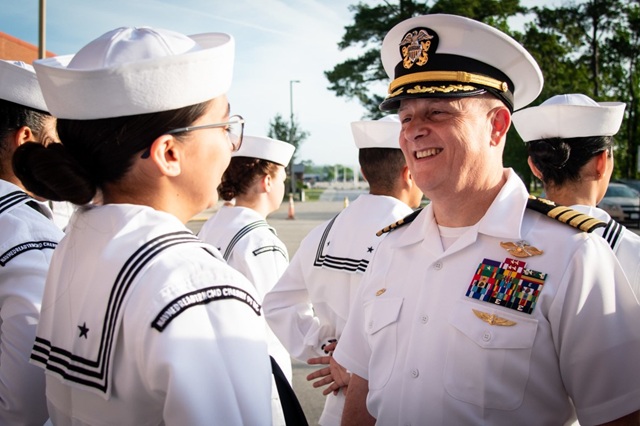
President Donald Trump has appointed Navy Captain Sean Barbabella, a decorated battlefield trauma specialist, as his personal physician, highlighting concerns over potential threats against him. The move underscores Trump’s security team’s focus on emergency preparedness, following two assassination attempts during his 2024 election campaign.
Barbabella, 55, is a career military doctor with extensive experience in emergency and tactical medicine. He has served multiple combat tours in Iraq and Afghanistan, earning the Legion of Merit for his work as a division surgeon in Helmand. His expertise in treating battlefield injuries, including trauma from explosive devices, has positioned him as a key figure in the White House medical unit.
According to The Times UK, Barbabella’s appointment was confirmed by sources familiar with the White House medical team. However, the administration has not publicly commented on the decision. The Times also reported that Barbabella previously led the Naval Health Clinic Cherry Point in North Carolina before assuming his new role with the White House.
A Shift in Presidential Medical Care
Unlike his predecessors, Barbabella has no prior experience in the White House medical unit. His selection marks a shift toward prioritizing emergency battlefield care over the politically visible roles occupied by past presidential doctors, such as Ronny Jackson and Sean Conley.
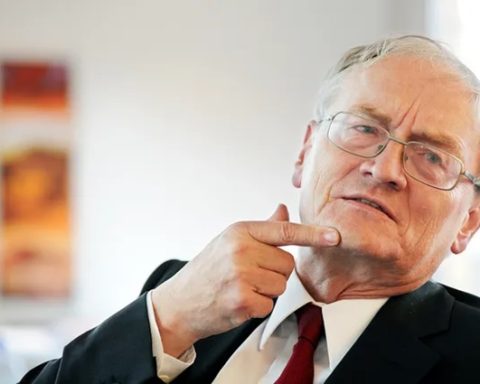
Jeffrey Kuhlman, former personal physician to President Barack Obama, stated that Barbabella was chosen for his discretion, integrity, and ability to handle medical emergencies in high-risk situations. Kuhlman noted that, at Trump’s age, cardiac arrest remains the top health risk, but trauma—from an attack or accident—is also a major concern.
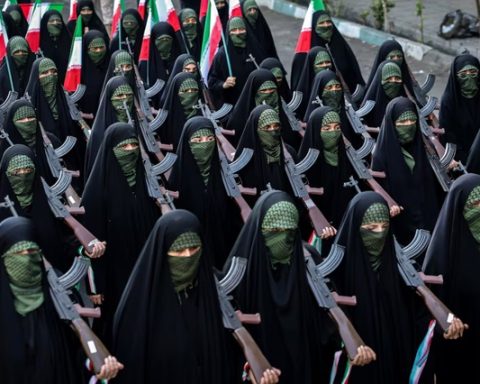
Barbabella’s appointment follows Trump’s warning that the U.S. intelligence community believes Iran has ambitions to assassinate him. The president’s medical team appears to be taking these threats seriously, ensuring that Barbabella will be on standby in case of an emergency.
During his military career, Barbabella played a crucial role in developing mobile trauma bays and contributed to the Committee on Tactical Combat Casualty Care, which sets guidelines for battlefield medicine. His deep-rooted commitment to military service was influenced by his father, a Vietnam War veteran who was wounded twice in combat.
Trump’s decision to bring in a seasoned battlefield physician signals a heightened focus on security and rapid medical response—an acknowledgment of the volatile political climate and ongoing threats to his safety.