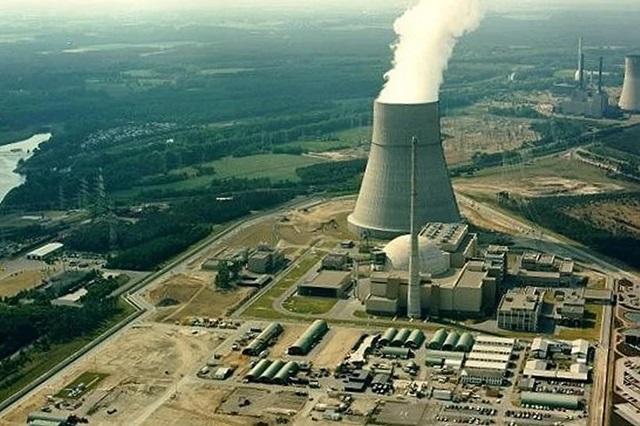
The State of Qatar has called for intensified international efforts to bring all Israeli nuclear facilities under the safeguards of the International Atomic Energy Agency (IAEA) and urged Israel to join the Treaty on the Non-Proliferation of Nuclear Weapons (NPT) as a non-nuclear state. The call was made during a session of the IAEA Board of Governors in Vienna, where Qatar’s Ambassador and Permanent Representative to the United Nations Office and International Organizations, Jassim Yacoub Al Hammadi, highlighted the urgency of addressing Israel’s nuclear capabilities and the situation in the occupied Palestinian territories.
HE Al Hammadi emphasized the necessity for global institutions to uphold their commitments under UN Security Council and General Assembly resolutions, as well as past agreements such as the 1995 Review Conference of the NPT. He reiterated that these resolutions explicitly urged Israel to subject all its nuclear facilities to IAEA oversight, ensuring regional security and stability.
The statement by Qatar comes at a time of heightened regional concerns over nuclear proliferation and potential security threats. In a separate development, Qatari Prime Minister Mohammed bin Abdulrahman Al-Thani warned of the catastrophic consequences of military action against Iran’s nuclear sites. Speaking in an interview with American journalist Tucker Carlson, Al-Thani stressed that any attack on Iran’s nuclear facilities could lead to radioactive contamination, severely impacting the water supplies of Gulf states, including Qatar, Kuwait, and the UAE.
Al-Thani’s remarks reflect growing anxieties among Gulf nations as tensions between Iran and Western powers, particularly the United States, continue to escalate. The Trump administration had previously exerted pressure on Tehran to negotiate a new nuclear agreement, with military action being a potential consequence should diplomatic efforts fail.
As nuclear-related concerns intensify in the Middle East, Qatar’s diplomatic push underscores its call for stronger international oversight and adherence to non-proliferation commitments, aiming to prevent regional destabilization and safeguard essential resources like water supplies from nuclear contamination. The broader implications of these statements signal a critical moment in Gulf security diplomacy, with calls for de-escalation and adherence to international nuclear agreements.