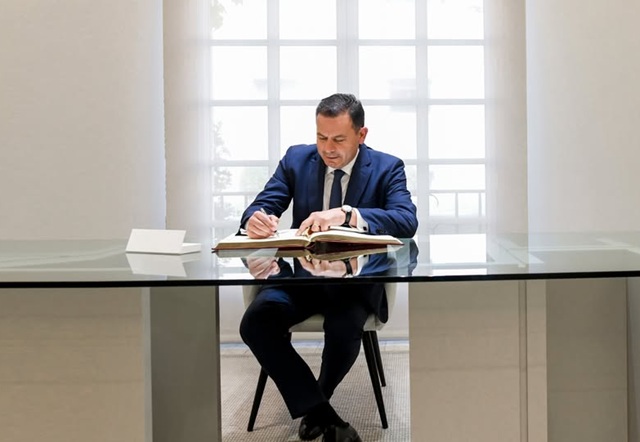
Portugal’s centre-right government is teetering on the brink of collapse as Prime Minister Luís Montenegro faces a confidence vote triggered by controversy over his family business dealings. If he loses, the country could head to its third election in less than four years, amid rising political tensions over defence spending and growing support for the far-right.
Montenegro, who has led a fragile minority government for 11 months, is under fire for allegedly failing to divest from Spinumviva, a consultancy he founded in 2021. Although he transferred ownership to his wife and children in 2022, critics argue the move was invalid under Portuguese law, as married couples jointly own assets acquired after marriage. Opposition leader Pedro Nuno Santos has accused him of benefiting from consultancy payments while in office, further fuelling public concerns over corruption in Portuguese politics.
According to the Financial Times, Montenegro maintains his innocence and accuses the opposition of manufacturing controversy. However, political analysts suggest his handling of the scandal has been reactive rather than proactive, allowing the issue to escalate. A recent CNN Portugal poll shows his Democratic Alliance (AD) party slipping by two percentage points, though it still holds a narrow lead over the Socialists.
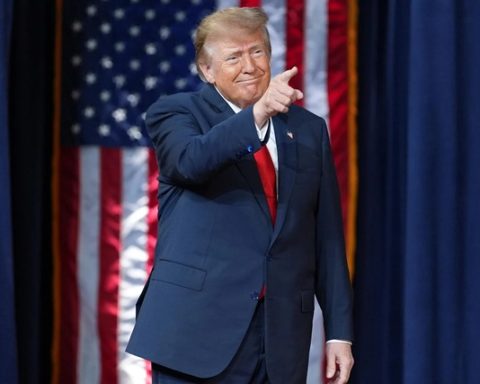
If Montenegro’s government falls, the next administration will face urgent challenges, including pressure to increase defence spending. Portugal currently spends 1.6% of GDP on defence, below NATO’s 2% target, which former US President Donald Trump has pushed to raise to 5%. The rise of the far-right Chega party, which capitalises on anti-immigrant and anti-corruption sentiment, has further complicated Portugal’s political landscape.
Montenegro has ruled out working with Chega, leaving him without a majority to enact significant reforms. His situation mirrors past Portuguese leaders facing corruption scandals, including former Prime Minister António Costa, who resigned in 2023 over lobbying allegations, and José Sócrates, who awaits trial for money laundering and document falsification. With Montenegro’s fate hanging in the balance, Portugal could soon find itself navigating yet another period of political uncertainty.