AstraZeneca, Britain’s largest pharmaceutical company, has announced a significant $2.5 billion investment in China, signaling the company’s ongoing commitment to the region despite a series of high-profile investigations by Chinese authorities. The move is seen as a positive sign that the pharmaceutical giant will avoid severe penalties from the investigations that have cast a shadow over its operations in the country in recent months.
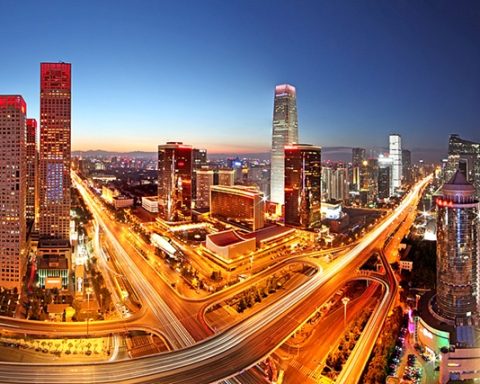
The $2.5 billion investment, which will be allocated over the next five years, will be used to establish AstraZeneca’s sixth global strategic research and development (R&D) center in Beijing. The investment also includes new research and manufacturing agreements, highlighting the company’s growing presence in its second-largest market.
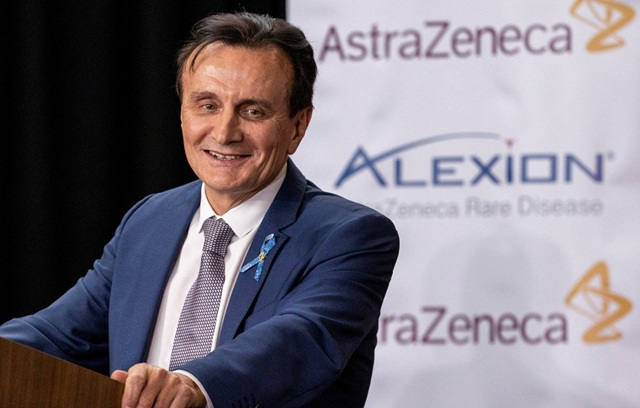
This announcement comes just ahead of the annual China Development Forum, a prominent international business event, where AstraZeneca’s CEO, Sir Pascal Soriot, is expected to speak. The timing of the announcement is seen as crucial, with the company aiming to strengthen its ties with China amid the backdrop of investigations that have impacted its stock price. Last year, concerns over these investigations caused a noticeable dip in the company’s share value.
AstraZeneca’s relationship with China has been vital to its transformation into Britain’s most valuable public company. The company is one of the largest multinational pharmaceutical firms operating in China, but the past year has been challenging. In the fall, the company revealed that its former China president, Leon Wang, had been arrested in Shenzhen as part of an ongoing investigation. Additionally, about 100 former employees had been sentenced for alleged medical insurance fraud related to its Tagrisso cancer drug, and Chinese authorities had launched a separate investigation into the illegal importation of unapproved medicines from Hong Kong.
Despite these challenges, AstraZeneca remains optimistic about its future in China. The company’s new R&D center in Beijing, which will focus on cutting-edge biology and AI science, is expected to become a critical part of AstraZeneca’s global efforts to bring innovative medicines to patients worldwide. The company is also expanding its workforce in Beijing, with plans to hire 1,700 employees over the coming years.
In addition to the new R&D center, AstraZeneca is launching a joint venture with BioKangtai to open its first vaccine manufacturing facility in China. This expansion into the vaccine manufacturing space aligns with the company’s broader strategy to strengthen its foothold in the Chinese market.
The $2.5 billion investment is seen as a sign that the company is likely to avoid severe repercussions from the investigations. At its recent full-year results presentation, AstraZeneca disclosed that it had been notified by the Shenzhen city customs office about suspected unpaid import taxes totaling $900,000, which it believes relate to two of its cancer drugs, Imfinzi and Imjudo. While this could result in a fine of up to $4.5 million, the company has indicated that it is working to resolve the matter.
The announcement of this substantial investment in China is seen as an indication that AstraZeneca is focused on maintaining a positive relationship with Chinese authorities and moving forward with its long-term goals in the region. Despite the challenges, the company’s status as one of the leading pharmaceutical companies in China seems secure, with Soriot also being invited to join a Beijing international business leaders advisory council.
AstraZeneca’s shares fell by 1 percent, or 107p, on Friday, closing at £117.01 ($150.15 USD) on the London Stock Exchange. The company’s stock has been down from its peak of £133 ($171.57 USD) in September, as investor concerns about the investigations and their potential consequences continue to weigh on the company’s performance.