Newly released records surrounding the assassination of President John F. Kennedy have uncovered hidden family secrets, revealing that some of the late president’s relatives were secretly involved in espionage as CIA assets. These revelations come from more than 77,000 pages of documents declassified by the Trump administration, shedding new light on previously redacted identities and providing insights into the lives of covert operatives — even those close to the Kennedy family.
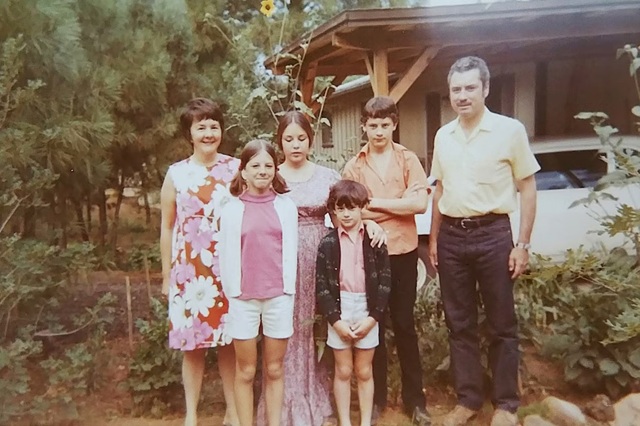
One such family member, John Smith, was shocked to learn that his grandfather, E.B. Smith, a professor at the University of Maryland, had been working as a U.S. government asset during the Cold War. While Smith knew his grandfather as an academic and world traveler, he had no idea that E.B. Smith had been gathering Soviet-era intelligence for the CIA. In particular, a recently unredacted 1991 document described how E.B. Smith, during a trip to Moscow, pressed a high-ranking KGB official about the Soviet Union’s ties to Kennedy’s assassin, Lee Harvey Oswald. This discovery, made by a Washington Post reporter, has deepened Smith’s understanding of his grandfather’s role in a secret history.
Similarly, other families are learning of their loved ones’ involvement in U.S. intelligence efforts. Dorothy North, 76, found out that her late husband, Robert North, had been a CIA asset, helping gather intelligence on Cuban exiles during the Cuban missile crisis. Robert, a Stanford University professor by day, worked quietly behind the scenes, providing U.S. officials with critical information. Dorothy had no inkling of his covert work until she saw the declassified files, which described him as a “longtime source of exceptional value.”
For Mark Mills, another surprising revelation came about his father, Bryan Mills, who had served as a CIA agent. As a child, Mark knew his father worked for the government, but it wasn’t until he was 18 that he learned the full extent of his father’s work in espionage. The newly unredacted files revealed that Bryan Mills was involved in sensitive surveillance operations in Cuba, bugging a Chinese agency office in Havana after the 1959 Cuban Revolution. Mark, now 67, learned of these covert activities only through a reporter from the Washington Post.
The release of these records, though primarily focused on the Kennedy assassination, has unveiled the far-reaching network of covert agents that spanned multiple decades, including individuals whose families were unaware of their espionage roles. These revelations provide a glimpse into the often-hidden lives of those who worked behind the scenes, shaping global events during the Cold War.
For many, these discoveries will forever alter how they view their family histories. What had been long-held personal secrets are now part of the public record, offering new insights into the intricate web of U.S. intelligence during one of the most politically charged periods in modern history.