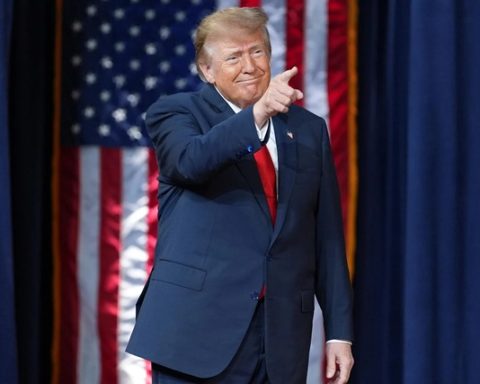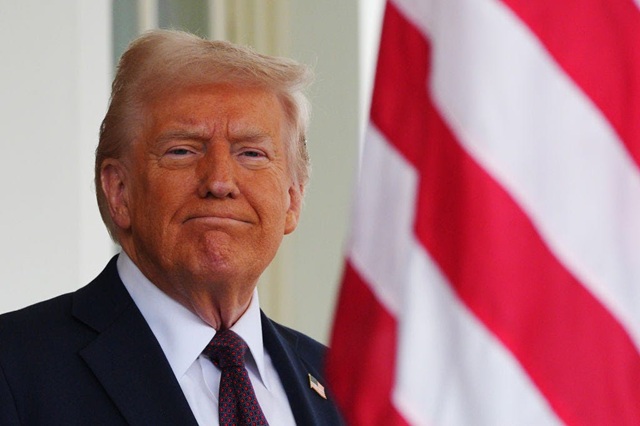
As the White House prepares to announce another round of tariffs on April 2, consumers are bracing for significant price hikes on everyday goods. President Trump’s proposed “country-based” duties aim to counter what he calls “unfair trade practices,” but critics warn they could amount to the largest effective tax hike in U.S. history.
A 25% tariff on foreign-built cars has already driven up prices by $4,000 to $15,000, making new vehicles significantly more expensive. Groceries have also been affected, with Mexico-sourced produce rising by 10-25% and processed foods up by 5-15%. Clothing costs have jumped by 10-30%, while furniture and appliances have increased by 5-15% and $100-$300, respectively. Consumer electronics, including laptops and smartphones made in China, now cost $50-$200 more. The housing market is also feeling the strain, as tariffs have pushed lumber prices up by 14% and steel by 5%, adding up to $9,200 to the price of a new home.
The U.S. may also struggle to replace key imports. Semiconductor production has been outsourced since the 1970s, and reestablishing a domestic industry will be costly and time-consuming, potentially leading to shortages. The fast fashion industry could also suffer, as domestic manufacturers are unlikely to match foreign prices.
Trump has acknowledged the impact on prices, recently stating that he “couldn’t care less” if cars become more expensive because he believes people will start buying American-made vehicles. Treasury Secretary Scott Bessent echoed this sentiment, arguing that access to cheap goods is not central to the American dream and that good jobs, upward mobility, and economic security should take priority.