Colossal Biosciences, the Texas-based biotech startup known for its ambitious plans to bring back extinct species, is making headlines again—this time for claiming to have resurrected the dire wolf, a prehistoric predator that vanished 13,000 years ago. However, the bold assertion has drawn skepticism from many scientists who question the validity of the company’s methods and the authenticity of its claims.
The company’s latest project centers on three snow-white wolves—two males, Romulus and Remus, and a female, Khaleesi—said to be the result of genetic modifications and cloning techniques aimed at bringing back the long-extinct dire wolf. These wolves are housed in a 2,000-acre preserve, carefully protected by a nine-foot fence and under tight security. Colossal’s efforts to keep the project secret are a stark contrast to the public buzz surrounding their claims of “de-extinction.”
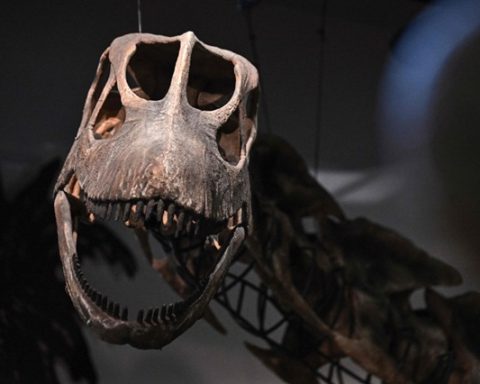
Dire wolves, large canines known for their formidable jaws, were once widespread in North America, with over 400 skulls recovered from the famous La Brea Tar Pits in California. Colossal’s approach involves extracting DNA from ancient dire wolf bones, followed by gene editing to introduce genetic traits from the extinct species into the cells of gray wolves. The company then used cloning technology to create the three animals.
While Colossal insists that the wolves now walking the preserve represent a successful re-creation of the dire wolf, the broader scientific community remains skeptical. Anders Bergström, a professor at the University of East Anglia, argues that the genetic changes made—just 20 edits across 14 genes—are insufficient to recreate a species as distinct as the dire wolf. “It’s a modified gray wolf,” he asserts. “Twenty changes are not nearly enough.”
Beth Shapiro, Colossal’s Chief Science Officer and a prominent expert in ancient DNA, acknowledges the controversy but defends the company’s work. In an interview with MIT Technology Review, she admits that the project’s critics will likely disagree, but insists that the resulting animals do indeed resemble dire wolves in significant ways, even if they are not a perfect match. Shapiro emphasizes that the project aims not only to re-create extinct species but also to develop tools for modern conservation efforts.
Despite the controversy over the dire wolf claim, Colossal is quick to point out that the project also involves the cloning of red wolves, an endangered species, to help with preservation. However, the company’s decision to focus on a popular extinct animal with a strong cultural following—such as the dire wolf, famously featured in Game of Thrones—has undoubtedly increased the project’s public profile. In fact, the name “Khaleesi” for one of the wolves is a direct reference to the hit television series.
Critics argue that the genetic manipulation behind Colossal’s dire wolves is not a true resurrection of an extinct species but rather a modern-day hybrid. “This is more about science fiction than actual science,” says Mairin Balisi, a paleontologist who specializes in dire wolf fossils. She questions the decision to give the wolves white fur, noting that the Ice Age landscapes where the animals once roamed were not typically snowy, making this feature more of an aesthetic choice than a scientifically grounded trait.
Ben Lamm, Colossal’s founder, told MIT Technology Review that despite the project’s high-profile nature, the company is not seeking to profit from the wolves. The animals will not be displayed as attractions, but Colossal has signed a deal to produce a docuseries about their endeavors, raising the stakes for media attention. “We’re worried about that from a security perspective,” Lamm says, referring to the influx of fans and unauthorized visitors eager to catch a glimpse of the wolves.
As the project gains more attention, questions remain about the ethical implications of de-extinction and the broader role of biotechnology in conservation. While some believe the technology could revolutionize efforts to save endangered species, others caution that it may divert focus from more immediate conservation needs.
With more developments on the horizon—including the potential resurrection of the mammoth and other long-extinct species—Colossal’s bold claims and innovative techniques continue to stir excitement and skepticism alike. The conversation around these projects is far from over, and as MIT Technology Review notes, the path from concept to reality remains fraught with scientific challenges and ethical dilemmas.