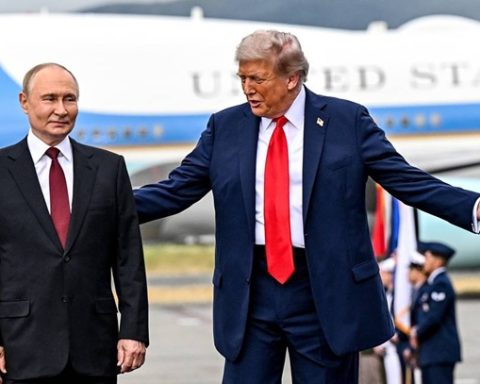
A sharp decline in European tourism to the United States is raising alarms among travel and hospitality leaders, with industry figures and analysts blaming President Donald Trump’s policies and rhetoric for creating an unwelcoming atmosphere that threatens one of the world’s most lucrative travel corridors.
According to data from the International Trade Administration (ITA), the number of Western European visitors who stayed at least one night in the U.S. fell by 17 percent in March compared to the same month last year. Travel from countries like Germany, Norway, and Ireland plunged more than 20 percent, according to an analysis by the Financial Times.
Overall, international arrivals to the U.S. dropped 12 percent year-on-year in March—marking the steepest monthly decline since the travel sector was upended by the pandemic in 2021. The downturn is already being felt across airlines, hotel chains, and major tourist destinations, signaling wider economic ramifications as the U.S. border hardens under Trump’s leadership.
“In just two months [Trump] has destroyed the reputation of the U.S., shown one way by diminished travel from the EU,” said Paul English, co-founder of travel booking website Kayak. “This is not only one more terrible blow to the U.S. economy, it also represents reputation damage that could take generations to repair.”
Tourism currently accounts for 2.5 percent of the United States’ GDP, and last year, international visitors spent more than $253 billion on U.S. travel-related goods and services—over 19 percent of the nation’s $1.3 trillion in travel spending, according to ITA data. Now, concerns are growing that this key sector is being undermined by a toxic mix of political friction, economic uncertainty, and rising fears of mistreatment at U.S. borders.
Airlines have begun to flag warning signs. Virgin Atlantic recently reported a “modest” decline in transatlantic demand from U.S. consumers, while Air France-KLM CEO Ben Smith said the company had been forced to cut economy-class fares due to a “slight softness” in the market. British Airways’ parent IAG and U.S. carrier Delta Air Lines, however, have not yet reported significant changes.
Booking platforms and hotel groups, meanwhile, are seeing clearer signals of unease. Naren Shaam, CEO of travel app Omio, said cancellation rates for U.S. trips in the first quarter were up 16 percent overall compared to last year. Among travelers from Germany, the UK, and France, cancellations jumped 40 percent. French hotel giant Accor reported that bookings for European travelers visiting the U.S. this summer had dropped 25 percent. CEO Sébastien Bazin described a “bad buzz” around the U.S., fueled by viral accounts of foreign tourists being detained at the border.
“There’s a psychological shift happening,” said Adam Sacks, president of Tourism Economics. “We’ve seen dips in Easter-related travel before, but when you combine it with airport and land crossing data, it’s very clear: this is a reaction to Trump.”
Sacks added that Trump’s aggressive stance toward traditional allies such as the EU, Greenland, and Canada, as well as recent economic measures like sweeping tariffs and threats of annexation, have exacerbated the perception that the U.S. is an unpredictable and inhospitable destination.
That perception is hitting home for would-be tourists. Gloria Sync, a transgender artist and author from Nottingham, England, canceled a planned May trip to San Francisco after reading reports of detained travelers. “The borders seem unsafe,” she told the Financial Times. “I don’t know if I’ll ever go back, to be honest.”
Canadian travel to the U.S.—a key driver of the “winter-sun” market—has also slumped. In 2023, Las Vegas alone welcomed 1.4 million Canadian tourists, who made up a quarter of the city’s international visitors. But Delta Air Lines president Glen Hauenstein acknowledged this week a “significant” drop in bookings from Canada and withdrew guidance due to mounting uncertainty.
The economic hit could be substantial. Barclays analysts this week warned that profitability on transatlantic routes—the most lucrative in global aviation—could be “abruptly diminished.” Tourism Economics has already reversed its earlier forecast of a 9 percent increase in international arrivals in 2025, predicting instead a 9.4 percent drop following Trump’s new round of tariffs.
Paul Harrington, a British retiree living in Paris, canceled a future trip to Washington D.C. over Trump’s rhetoric and trade moves, and now plans to host American friends in Europe instead. “I will not visit the States until Trump is gone,” he said.
With more than reputational damage at stake, industry groups are urging policymakers to consider the broader economic cost of a hardline stance. The U.S. Travel Association cited “concerning trends,” attributing the downturn to a perceived lack of “welcomeness” in America.