India is facing mounting domestic and international scrutiny after a deadly terrorist attack in Kashmir last week left at least 26 people dead — most of them Indian tourists — in a region widely considered one of the most militarized in the world. The massacre has raised serious questions about how such a brazen act of violence could occur in broad daylight under the watch of nearly 200,000 security personnel.
According to Bloomberg, the attack took place in the scenic meadows of Pahalgam, a popular tourist destination roughly 20 kilometers from the nearest military unit. The perpetrators reportedly had around 40 minutes to flee before any Indian forces arrived on the scene.
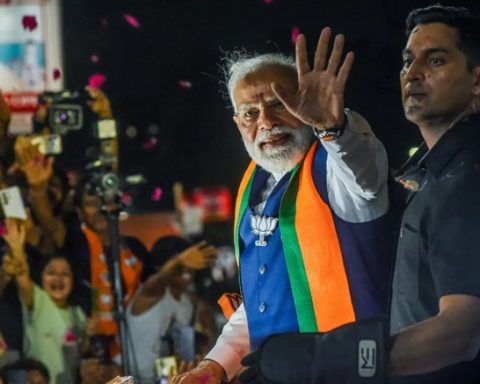
Prime Minister Narendra Modi’s government quickly pointed fingers at Pakistan, which denies involvement and has condemned the violence. However, diplomats briefed by Indian officials last week told Bloomberg that no definitive evidence linking Islamabad to the incident was presented.
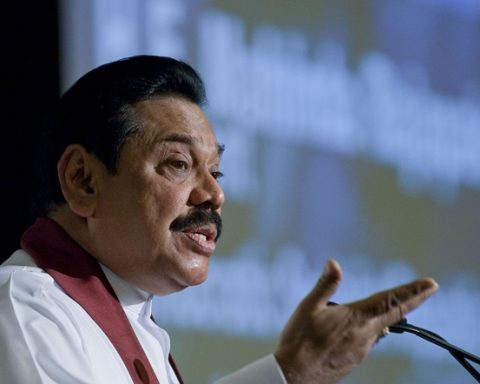
In a meeting with opposition leaders, Home Minister Amit Shah admitted there had been a security lapse and pledged structural reforms to India’s intelligence and defense protocols. Shah has not publicly commented on the failure or responded to criticism, including a viral post by the opposition Congress Party highlighting the lack of intercepted communications between the attackers near the site.
“This was a serious failure,” said Sushant Singh, a former Indian Army colonel and Yale University lecturer, who emphasized the lack of early warning intelligence. “Whether it was a failure to collect or to process information, both raise alarm.”
The killings represent the deadliest incident in Jammu and Kashmir since a 2019 suicide bombing claimed the lives of dozens of Indian soldiers. That event led to retaliatory Indian airstrikes across the Pakistani border, escalating tensions between the two nuclear-armed nations.
In the latest case, Bloomberg reports that attackers chose a site popular with civilians and lightly protected, creating a devastating security gap. The broader regional security presence — comprising Indian army, paramilitary, and police forces — equates to roughly one officer per six residents, yet failed to prevent or even detect the assault.
“This is a clear security failure,” said Siddaramaiah, a Congress Party leader from Karnataka, where many victims were from, speaking to India’s PTI news agency.
Ashley Tellis, a senior fellow at the Carnegie Endowment for International Peace, told Bloomberg the incident signals a troubling rise in the sophistication of militant operations. “If these groups have developed advanced operational security or use communications that Indian agencies cannot intercept, then that’s a significant edge.”
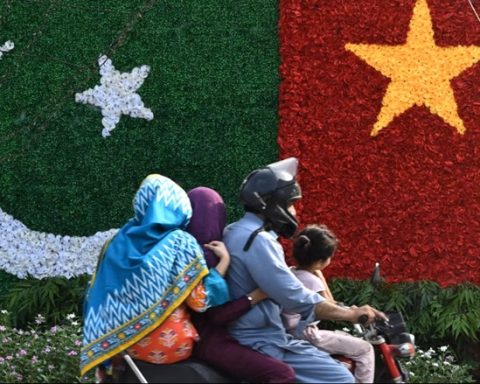
Tensions have since escalated, with reports of cross-border shelling and Pakistan suspending trade and accusing India of preparing a retaliatory military operation. Pakistan’s information minister warned on Wednesday that a strike could occur within 36 hours, pledging a “decisive” response if it does.
Modi’s government has taken a hardline stance on Kashmir since revoking its autonomy in 2019, placing the region under direct federal control. While the move was framed as a step toward stability and development, critics argue it has centralized authority without addressing deep-rooted local grievances.
Former Indian Foreign Secretary Harsh Vardhan Shringla acknowledged to Bloomberg TV that rising tourism has created new challenges for security forces. “It’s difficult for security forces to be in every place,” he said.
As India’s leadership weighs a response, calls for accountability continue to grow. Yet, some voices, including Congress MP Shashi Tharoor, are urging unity and patience. “There were failures, I agree,” Tharoor told ANI, “but that should not be our main focus right now.”