Israel’s security cabinet has formally approved a new military strategy to seize and occupy the entire Gaza Strip indefinitely, a move that is sparking deep concern among international humanitarian agencies and drawing fierce criticism at home. The controversial plan, endorsed by Prime Minister Binyamin Netanyahu and unanimously backed by the cabinet on Monday, also involves outsourcing the distribution of humanitarian aid to private contractors.
The decision marks a significant shift in Israel’s operational strategy in Gaza. Rather than advancing in stages to root out Hamas, Israel now intends to retain full control over the coastal enclave, pushing civilians further south and cementing its military presence. Over the weekend, tens of thousands of reservists were called up in preparation for what may become a prolonged occupation.
“This is not a military operation anymore — it’s a strategy for control,” one Israeli official told local media. As reported by The Times UK, Netanyahu’s endorsement of the plan signals a determination to restructure Gaza’s future while sidelining international humanitarian norms.
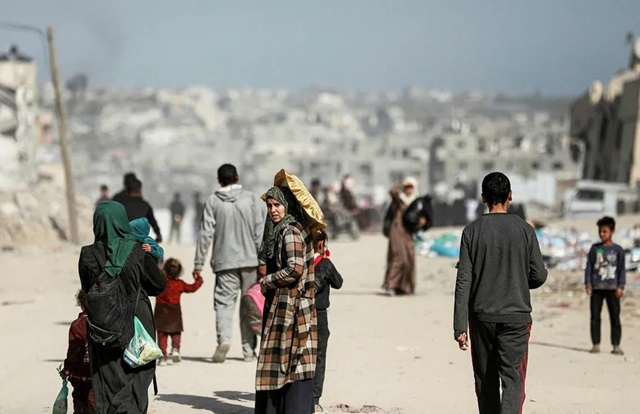
Critics say the decision to use private contractors for aid distribution — modeled on similar security schemes in the West Bank — is intended to shield soldiers from direct interaction with civilians. Several new Israeli checkpoints, including the Netzarim corridor, have already fragmented Gaza into isolated zones. The city of Rafah is now effectively cut off from the rest of southern Gaza.
The United Nations and global aid organisations have strongly condemned the plan. In a joint statement, UN agencies accused Israel of using life-saving resources such as food, medicine, and fuel as a “pressure tactic” and warned that Gaza’s population faces immediate shortages. “It is dangerous, driving civilians into military zones to collect rations, threatening lives, including those of humanitarian workers,” the statement read. “It entrenches forced displacement and undermines humanitarian law.”
Hamas responded by accusing Israel of “political blackmail,” blaming the new aid framework for exacerbating the humanitarian disaster in Gaza, where bakeries, clinics, and aid warehouses are reportedly shuttered or empty. “We reject the use of aid as a weapon,” Hamas said, adding that the blockade on essential supplies had intensified since March.
Despite Israeli claims that sufficient aid remains available for the next few weeks, its own army chief, Eyal Zamir, acknowledged that more aid would soon need to be allowed in. International pressure is mounting: world leaders, including former President Trump, have urged Israel to ease the blockade and ensure aid reaches civilians.
At home, the new plan is causing fractures within Israeli society. Families of hostages held by Hamas — still numbering 59 — have accused the government of prioritising territory over human lives. “The expansion of military operations puts every hostage at grave risk,” the Hostages and Missing Families Forum said in a statement. The group also condemned the move as a betrayal of the public will, citing polls suggesting over 70% of Israelis want a deal to bring the hostages home.
Tensions boiled over in Jerusalem on Monday, where Israeli police removed demonstrators protesting against the government’s policies. Einav Zangauker, whose son remains captive, called on reservists to boycott duty “for moral reasons,” highlighting the growing dissent within Israel’s military ranks.
The war in Gaza, ignited by Hamas’s October 7 attacks that killed and abducted Israeli civilians, shows no sign of ending. With no ceasefire in sight and diplomatic negotiations stalled, Israel’s occupation plan sets the stage for a new, potentially long-lasting chapter of conflict — one that is likely to further isolate it on the global stage and deepen internal divisions.