A wave of U.S. corporate share repurchases is gathering momentum, with companies announcing a record-breaking $500 billion in buybacks as they seek to deploy excess cash during a period of trade uncertainty and market volatility, the Financial Times has reported.
Last week alone, firms listed on the S&P 500 unveiled $192 billion in planned buybacks — the highest weekly total since Deutsche Bank began tracking the data in 1995. Over the past three months, announced repurchases have surged to $518 billion, marking the largest rolling three-month total ever recorded.
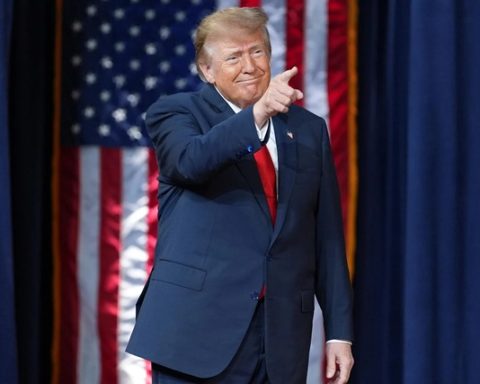
This buyback boom reflects a broader strategic pivot by corporate America as escalating trade tensions, largely driven by former President Donald Trump’s tariff policies, continue to cloud long-term investment decisions. Instead of pursuing traditional capital expenditures, many companies are choosing to return value to shareholders while their stock prices remain below early-year highs.
“The numbers are spectacular,” said Brian Reynolds, chief market strategist at Reynolds Strategy, who reversed his bearish outlook on large-cap U.S. equities in response to the “size and rapidity” of the buyback surge.
According to analysts cited by the Financial Times, the uncertainty created by Trump-era trade disruptions has forced major players — including Colgate, General Motors, and Delta Air Lines — to revise their earnings guidance. These conditions have made share repurchases an appealing option, especially as they boost earnings per share (EPS) by reducing the total number of outstanding shares.
“If the stock price has come down, managements have air cover to spend cash on buybacks and increase EPS,” said a former co-head of equity capital markets at a major U.S. investment bank.
Financial and tech giants are leading the charge. Apple announced a $100 billion expansion of its buyback program, while Alphabet, Google’s parent company, revealed plans for a $70 billion buyback. Wells Fargo is set to repurchase $40 billion of its shares, and Visa plans to buy back $30 billion. Meanwhile, energy, utilities, and materials companies have been more conservative in their repurchase strategies.
Strong first-quarter earnings have also contributed to the momentum. According to JPMorgan, S&P 500 companies have exceeded EPS expectations by an average of 7.8%, significantly above the bank’s 4–5% forecast. Deutsche Bank strategist Parag Thatte noted that the surge in buybacks reflects solid earnings performance and corporate resilience: “Companies have indicated that they are not going into the bunker just yet.”
Buybacks became increasingly popular following Trump’s 2017 corporate tax cuts, which left companies with large cash reserves. In 2024, S&P 500 firms set a new record with $942.5 billion in annual repurchases, according to S&P Global — a number that could be surpassed this year.
While many on Wall Street view buybacks as a smart use of capital, some academics and policymakers argue that the funds would be better spent on innovation, infrastructure, or wage increases. Nonetheless, the appetite for repurchases remains strong, with companies like Apple and AIG even tapping bond markets to help fund their buyback plans.
“People are willing to lend these companies money in the midst of a tariff battle,” added Reynolds. “And the amount of money is immense.”