In the shadow of the Line of Control (LoC), where artillery duels between India and Pakistan briefly pushed South Asia to the brink of war earlier this month, the human cost of military confrontation is etched deeply into the lives of ordinary Kashmiris.
While New Delhi and Islamabad trumpet their respective military feats and hail a U.S.-brokered ceasefire as a success, grieving families in Indian-administered Kashmir are left to sift through rubble and bury their dead. A harrowing report by The Washington Post, which visited the affected villages just days after hostilities paused, reveals a landscape of devastation and despair.
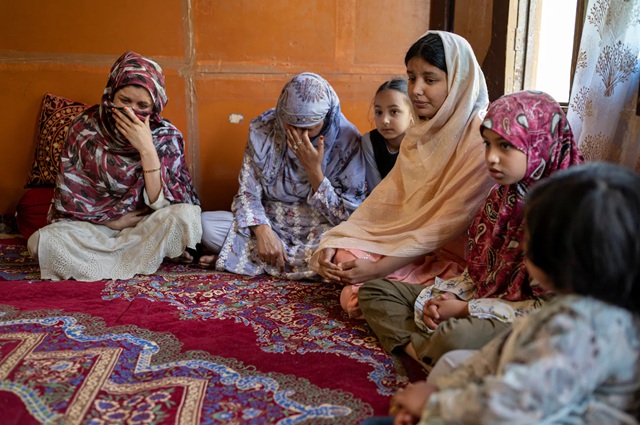
On the night of May 8, 20-year-old Sanam Bashir fled her home in Uri with family members packed into three cars under a deafening barrage of shellfire. Her 4-year-old cousin whimpered in her arms. Moments later, shrapnel tore through their vehicle. Her mother, Nargis Begum, was killed. “It felt like the night of judgment,” Bashir recalled.
Over four days of violence, at least 27 civilians were killed in Indian-administered Jammu and Kashmir, including 11-year-old twins, and more than 50 others were injured. Across the border in Pakistani-administered Kashmir, Indian shelling reportedly killed at least 16 people.
The sudden eruption of conflict followed an April 22 massacre of 26 civilians near Pahalgam, a popular tourist area. India quickly blamed Pakistan-based militants, a claim Islamabad denied. The tension escalated rapidly, with India launching its deepest cross-border strikes in over 50 years on May 7, killing at least 26 people inside Pakistan.
The following nights brought retaliatory drone strikes and artillery shelling, pushing the nuclear-armed neighbors dangerously close to open war. Despite the ceasefire declared on May 10, villagers along the LoC remain deeply shaken.
In the hamlet of Rajarwani, where Nargis Begum lived, her family struggles with more than just grief. Begum earned barely $12 a month cooking at a local school. The family received $7,000 in government compensation — a gesture they say is hollow. “The government ignores the poor when they are alive,” said Hafiza Begum, her sister-in-law. “But now that she is dead, they are giving money. What use is any wealth now?”
The destruction is widespread. In Bandi village, Mohammed Anwar Sheikh’s home was nearly destroyed by a shell blast. “It felt like an earthquake,” he said. His children’s school books, their pet pigeons, and the family’s belongings lie in ruins. Relief has been slow to reach them, and a promised reimbursement has yet to materialize.
In nearby Lagama, retired soldier Mohammed Shafi Pathan’s home is uninhabitable after it was hit by shelling on May 9. “Not a single item can be salvaged,” he said, stepping over toys, clothes, and the ashes of daily life. “We can neither live nor die in peace.”
According to The Washington Post, more than 450 homes and shops have been damaged around Uri alone, with over a third of the population displaced. Locals expressed frustration at the absence of protective infrastructure. “If the government had built bunkers or warned us earlier, my mother would be alive,” said Saqib Bashir Khan, Nargis Begum’s son.
Despite government promises and ongoing assessments by civil personnel, civilians say their suffering remains invisible amid the grand narratives of military strength and national security.
The broader implications are alarming. “Kashmir is a flash point and has potential to force all of South Asia into a big war,” said Sheikh Showkat Hussain, a political analyst based in Srinagar. He urged global powers to help defuse the crisis permanently.
In Srinagar, the once-bustling tourist hubs are eerily quiet. Militant attacks and heightened security crackdowns have driven visitors away. In the iconic Lal Chowk, a young woman named Muskan stood taking pictures with her brother. “There should be no fear,” she said. “Neither for us, nor for the tourists.”
As India and Pakistan seek to score points on the global stage, the people of Kashmir continue to pay the price in silence and suffering. Their homes are shattered, their futures uncertain, and their grief largely ignored by the powers that claim to protect them.