Tesla’s dominance in Europe’s electric vehicle (EV) market is showing deep cracks, as new data reveals the automaker’s sales across the continent fell by nearly half in April — even as the broader EV sector saw significant growth.
According to figures released by the European Automobile Manufacturers Association and reported by The Times UK, Tesla’s vehicle registrations dropped 49% year-on-year to 7,261 units across 32 European countries, down from 14,228 in April 2023. Over the same period, battery-electric vehicle (BEV) sales overall rose by approximately 28%, highlighting Tesla’s sharp divergence from market trends.
Tesla’s European market share shrank to just 0.7%, down from 1.3% a year ago, marking its fourth consecutive month of sales decline across the continent.
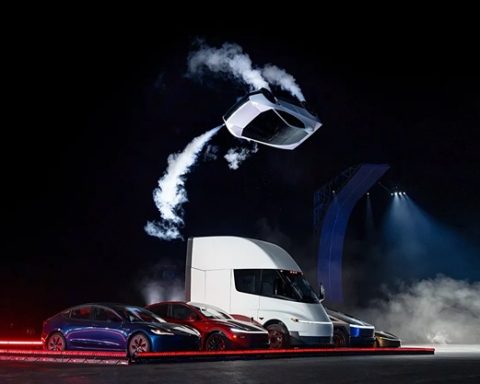
Industry experts point to a combination of factors behind the slump, including a lukewarm response to the revamped Model Y SUV, intensifying competition from both established European automakers and fast-growing Chinese brands, and — crucially — increasing consumer disapproval of Tesla CEO Elon Musk’s political activism and social media presence.
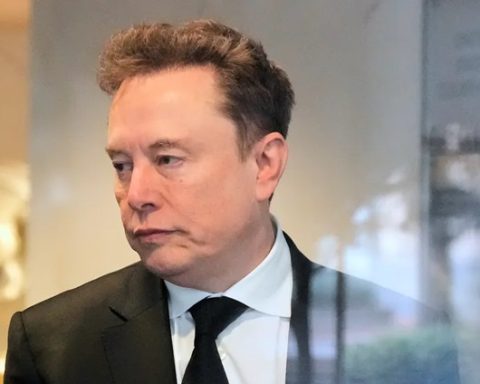
Musk, who has recently become a polarizing figure due to his outspoken support for controversial political figures and his involvement with former President Donald Trump’s Department for Government Efficiency, has been the subject of consumer boycotts and protests. Analysts suggest this backlash may be starting to reflect in Tesla’s bottom line.
Earlier reports from Sweden, Denmark, and the Netherlands had already hinted at a regional collapse in Tesla sales. Now, with pan-European figures confirming the drop, concerns are growing about the automaker’s trajectory in one of the world’s largest EV markets.
Chinese EV Brands Surge Ahead
While Tesla falters, rivals are racing ahead. China’s SAIC Motor, owner of the UK’s MG brand, saw its European EV sales soar by 54%. Meanwhile, Chinese EV giant BYD narrowly overtook Tesla in April, based on European sales volumes, according to automotive consultancy Jato.
Tesla’s struggles have also been exacerbated by temporary factory shutdowns earlier this year to upgrade production lines for the Model Y, limiting supply.
UK Slips Behind in EV Race
The UK, once seen as a potential leader in zero-emission vehicles, is also showing signs of lagging behind. Although UK EV registrations rose by 8% in April, that growth trailed well behind Germany and France. Analysts attribute part of the slowdown to the UK government’s recent easing of its zero-emission vehicle mandate, which had previously incentivized EV shipments to Britain.
Across Europe, overall vehicle registrations — including petrol and diesel models — fell slightly to 1.07 million in April. However, BEV sales were up 27% at 184,000 units, maintaining a strong market share of about 17% year-to-date.
So far this year, Tesla has sold 61,320 cars in Europe, a decline of nearly 39% compared to the same period last year, even as the broader European auto market held steady.
Market Resilience Despite Headwinds
Despite the disappointing European figures, Tesla shares closed up 4% at $362.89 in New York on Tuesday, valuing the company at $1.2 trillion. Still, its stock has fallen more than 10% since the beginning of 2024, reflecting investor uncertainty amid mounting global challenges.
In its monthly report, the European trade body commented: “Registrations are showing signs of recovery despite the ongoing unpredictable global economic environment.” But it also warned that “the battery-electric car market share for the year to date is still far from where it was expected to be.”
As the EV sector continues to grow, Tesla’s fall from grace in Europe raises pressing questions about whether its brand — and its CEO — can remain competitive in an increasingly crowded and politically sensitive market.