by Our Correspondent in Doha
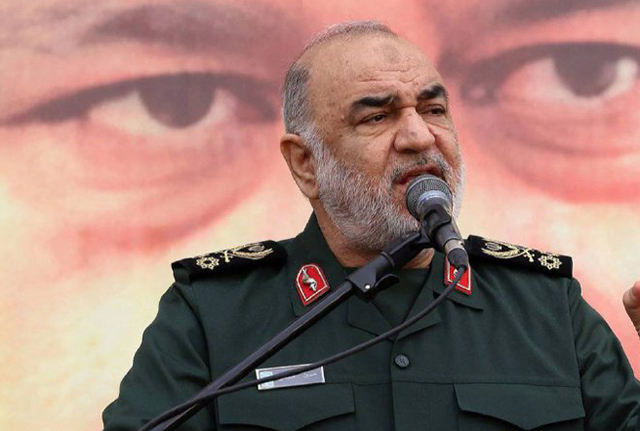
A series of coordinated Israeli airstrikes struck multiple locations in and around Tehran overnight, killing several high-ranking Iranian military and civilian officials, including Major General Hossein Salami, Chief Commander of the Islamic Revolution Guards Corps (IRGC), in what appears to be one of the most significant escalations between the two regional rivals in years.
The IRGC confirmed Salami’s death in a statement Friday morning, vowing a “strong response” from Iran’s Armed Forces and the broader Islamic Umma against what it called “aggression by the Israeli regime.”
The semi-official Tasnim News Agency reported that, in addition to Salami, Israeli strikes also killed:
- Mohammad-Mehdi Tehranchi, nuclear physicist and president of the Islamic Azad University
- Fereydoun Abbasi, nuclear scientist and former head of the Atomic Energy Organization of Iran
- Major General Gholamali Rashid, commander of Khatam al-Anbia Headquarters
The attacks reportedly targeted strategic and nuclear-related facilities in Tehran and other cities, amid mounting tensions over Iran’s nuclear program and regional activities.
Israeli Military Confirms Strikes; U.S. Caught Between Allies and Diplomacy
The Israeli military stated Thursday night it had carried out “dozens of strikes” on Iranian targets, including those linked to Iran’s nuclear infrastructure. Defense Minister Yisrael Katz declared a special state of emergency across Israel, warning of imminent missile and drone retaliation from Iran.
The strikes took place just hours after former President Donald Trump, currently seeking re-election, publicly urged Israel to delay military action while the United States pursued ongoing diplomatic efforts.
While several reports indicated that Washington formally opposed any offensive Israeli action, it remains unclear whether the U.S. provided intelligence, aerial refueling capabilities, or logistical support — measures that analysts say could enable U.S. involvement while preserving plausible deniability.
Nuclear proliferation expert Jeffrey Lewis reacted on X, stating, “If Israel is striking Iran alone, I don’t see how it makes any long-term impact unless there’s something really special and/or surprising in the mix.”
Diplomatic Negotiations in Jeopardy
The airstrikes come just days ahead of a planned sixth round of indirect negotiations between the U.S. and Iran in Oman, led by U.S. Special Envoy Steve Witkoff. The talks, intended to defuse tensions over Iran’s nuclear program, now appear to be in jeopardy.
Observers note that the prevailing assumption in Washington had been that Israel would hold off on direct strikes until diplomatic avenues had been exhausted. Witkoff, who recently briefed Senate Republicans, reportedly warned that a strike on Iran could provoke a massive retaliation through its ballistic missile arsenal.
The American Israel Public Affairs Committee (AIPAC) backed Israel’s actions in a statement, asserting: “America must stand with our ally as it takes action to protect its families from the world’s leading state sponsor of terrorism.”
However, the reaction in Washington has been mixed. Senator Elizabeth Warren (D-MA), speaking on MSNBC, called the situation “deeply disturbing” and advocated for restraint: “I don’t agree often with the Trump administration, but I think here it’s important to say we need more negotiation. We need de-escalation. We need to get to a deal.”
Meanwhile, President Trump was reportedly hosting a congressional picnic on the White House lawn at the time of the strikes, where multiple allies and lawmakers sought to influence his position — some pressing for a firmer stance, others urging diplomacy — all under the media spotlight.
What Comes Next?
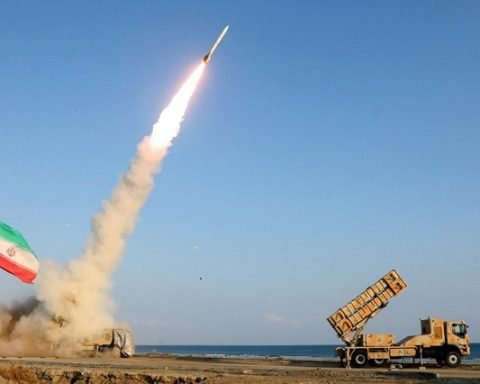
Iran has yet to publicly announce the form or timing of its response, but the IRGC’s statement promised that retaliation was imminent. Regional tensions are now at a boiling point, and the fate of ongoing U.S.-Iran diplomacy hangs in the balance.
The coming days are expected to test not only Iran and Israel’s military capabilities but also Washington’s ability to walk a tightrope between its ally’s security concerns and the urgency of nuclear non-proliferation.