As tensions between Iran and Israel reach an explosive crescendo, a growing number of Iranian dissidents are raising their voices — and their banners — in an urgent plea to prevent a regional war they fear is imminent. In a striking act of defiance a few months ago, activists unfurled a banner over a bridge in Tehran under the cover of night. Its stark message, scrawled in spray paint, read: “Those who experienced the Iran-Iraq war demand no war again.”
The protest was modest, but its meaning was profound. The organizers, operating underground to avoid the regime’s brutal reprisals, told The Times UK they acted out of desperation. “Iran is very close to opening a new regional war, which will cost Iran and all Iranians … Enough is enough,” one dissident said. “If you don’t take risks, you can’t expect rewards.”
That feared moment, according to many dissidents — mostly students echoing the revolutionary energy of 1979 — has now arrived. With Israeli and U.S. military leaders warning of a deepening conflict, thousands are fleeing Tehran. Activists who once resorted to silent acts of protest are now calling for open insurrection.
“Take to the streets and the squares because the future of us all is at stake,” read a manifesto recently shared with The Times UK. The call to action was explicit: destroy surveillance cameras, disable government infrastructure, and fight back against regime enforcers.
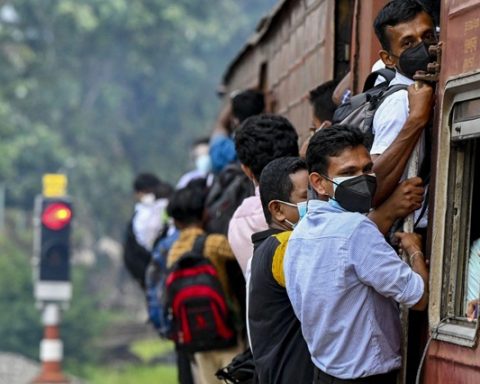
So far, Tehran remains largely quiet. Most residents are more focused on securing safe passage out of the capital than on political revolution. But while the regime may have temporarily stifled street action, public criticism is growing louder, especially in the wake of deadly Israeli strikes that flattened apartment blocks suspected of housing regime officials — but also killed civilians.
“Toomaj Salehi,” a prominent rapper and vocal critic of the regime who was imprisoned for supporting women-led protests in 2022, condemned both the Iranian regime and the Israeli attacks. “If your intention is to kill the people of Iran, at least have the honesty not to hide the burden of that responsibility,” he said in a recent Instagram post.
Despite threats from Israeli Defense Minister Yoav Gallant — who warned that Tehran “will burn” — Israeli officials have emphasized that their war is with Iran’s leadership, not its people. They have urged the Iranian public to rise against the regime, though such appeals have met limited success amid widespread fear and repression.
Meanwhile, a chorus of imprisoned and exiled Iranian figures is calling for peaceful political change. In a letter from prison, Mostafa Tajzadeh — a former minister and now a prominent reformist — called for a new constituent assembly and a complete overhaul of the Iranian constitution. “There must be an insistence on peaceful transition to democracy,” he wrote. “The government must be compelled to establish it.”
Others are voicing similar concerns from abroad. Reza Pahlavi, the U.S.-based son of the deposed Shah, has publicly supported Israel’s strikes. While he commands little support inside Iran, his broadcasts find a receptive audience among the Iranian diaspora. Sanam Vakil, director of the Middle East and North Africa Programme at Chatham House, describes him as “the prince of nowhere,” reflecting his disconnect from Iran’s domestic reality.
“The opposition,” Vakil notes, “is a mix of activists and technocrats and moderates that would like to see the Islamic Republic move away from ideology and enmity, and transition to an empowered presidential and parliamentary system.”
Iran’s protests have become more frequent, election participation has plummeted, and cynicism toward the ruling clerics is at an all-time high. Yet, many believe that — absent a war — real transformation may still take a generation.
“What Israel is doing,” Vakil warns, “is pouring an accelerant on the process. And we are losing control in terms of understanding the direction.”