Cambodia has issued a stark warning that it will impose a full ban on Thai fruit and vegetable imports if Thailand does not lift new restrictions at border crossings, escalating an already tense standoff between the two Southeast Asian neighbours.
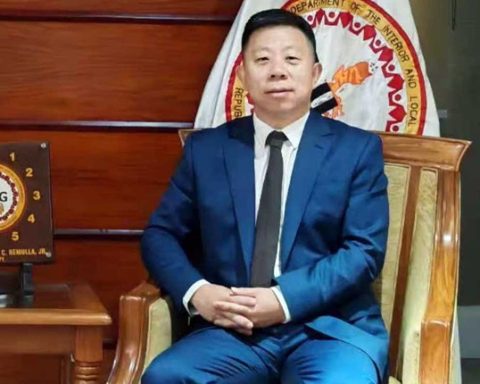
The threat, delivered by former Cambodian Prime Minister and current Senate President Hun Sen in a televised address on Monday, marks a serious escalation in a long-running border dispute rooted in colonial-era demarcations. The renewed friction threatens to disrupt critical trade flows and rekindle nationalist sentiments on both sides.
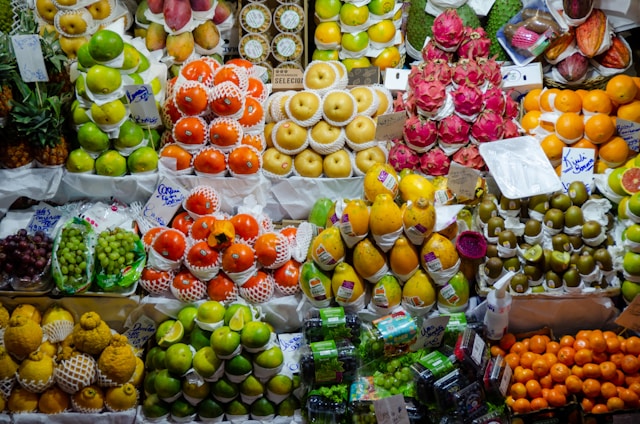
“If the Thai side does not open border crossings to normalcy today, tomorrow we will implement throughout the border banning the imports of fruit and vegetables to Cambodia,” Hun Sen declared, adding that the ban would extend to all entry points if border hours are not restored.
The ultimatum follows a deadly skirmish on May 28 in the so-called Emerald Triangle—a contested border region—where a firefight between Thai and Cambodian troops left one Cambodian soldier dead. Both militaries have accused each other of provoking the clash.
In response, Thailand tightened border security, citing concerns over public safety and the heightened military presence. Thai Prime Minister Paetongtarn Shinawatra defended the measures, warning that inflammatory rhetoric could damage bilateral ties. “This is a time for calm and diplomacy,” she said at a press briefing following a high-level security meeting.
Cambodia, however, has reacted with a series of retaliatory actions. Authorities banned Thai television dramas and films, restricted Thai internet bandwidth, and closed a major checkpoint. The threat of a trade embargo, though, represents the most significant economic retaliation to date.
Adding to the tension, Cambodia formally petitioned the International Court of Justice (ICJ) on Sunday, seeking arbitration over four disputed territories, including the site of last month’s clash and three temple zones. The ICJ has ruled in Cambodia’s favor in the past, notably in 1962 and 2013, over the historic Preah Vihear temple. Thailand has never fully accepted the court’s jurisdiction.
“Only a thief is afraid of a court,” Hun Sen said, vowing to abide by any ICJ ruling.
Thailand has expressed disappointment over Cambodia’s renewed legal bid, reaffirming its stance against ICJ involvement. Nonetheless, both countries have agreed to resume bilateral border talks in September after earlier negotiations in June failed to yield a resolution.
The dispute is having domestic ripple effects in both nations. In Cambodia, Hun Sen has urged the estimated 500,000 Cambodian migrant workers in Thailand to return home amid fears of rising discrimination. Meanwhile, Paetongtarn Shinawatra is facing mounting criticism from nationalist groups and political opponents of her father, ex-premier Thaksin Shinawatra.
Business leaders are now sounding the alarm. A Thai Chamber of Commerce source told The Nation that the rising tensions have caused deep concern in the private sector, which is urging both governments to seek a peaceful solution. “Any prolonged uncertainty will harm both economies,” the source warned, citing the countries’ deep interdependence in trade and investment.