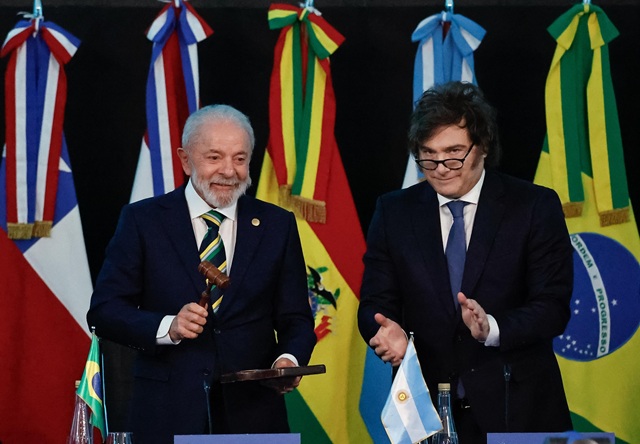
The ongoing BRICS summit in Rio de Janeiro, held from July 6 to 7, 2025, marks a historic turning point as the group meets for the first time under an expanded format of 11 full member states and 10 partner countries. Convening under the theme “Strengthening Global South Cooperation for More Inclusive and Sustainable Governance,” the summit reflects BRICS’ deepening commitment to shaping a fairer and more multipolar world order.
Brazil, holding the rotating BRICS presidency since January 1, 2025, has prioritized reinforcing Global South solidarity and advancing reforms in global governance. These objectives are reflected in six focus areas that are shaping the discussions: global health cooperation, trade and investment, climate action, artificial intelligence governance, security architecture reform, and institutional development of the BRICS framework.
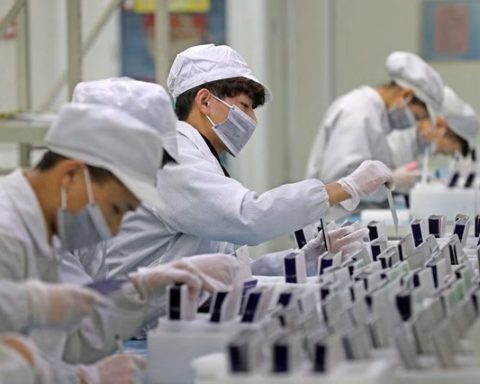
Trade and investment cooperation is under sharp focus amid intensifying global trade tensions, notably the looming expiration of the 90-day grace period for the United States’ “reciprocal tariffs” on July 9. Since the imposition of these tariffs in April 2025 by the Trump administration, BRICS has strongly condemned the measures as protectionist and in violation of World Trade Organization rules. In a statement issued in April, BRICS foreign ministers warned that such unilateral actions disrupt global supply chains and disproportionately harm developing economies. In response, the group is advancing initiatives such as the Partnership for the New Industrial Revolution (PartNIR) and the 2030 Strategy for the BRICS Economic Partnership to enhance intra-BRICS trade and resilience.
Financial governance is also high on the summit’s agenda. Under Brazil’s leadership, BRICS is pursuing reforms to strengthen local currency settlements, alternative payment platforms, and independent financial systems. Since launching the New Development Bank (NDB) and the Contingent Reserve Arrangement in 2014, BRICS has offered credible alternatives to Western-dominated financial institutions. A recent poll indicates that 94.7 percent of respondents believe BRICS has reduced reliance on the U.S. dollar and improved its influence in global financial governance. The summit is also expected to unveil a new NDB-backed guarantee fund to lower financing costs and attract private investment.
Security coordination is another pressing concern, especially in light of the recent 12-day Israel–Iran conflict and the ongoing war in Ukraine. On June 24, BRICS condemned military strikes on Iranian territory as violations of international law. Iran, a new member since January 2024, is participating in the summit with a high-level delegation. BRICS has also voiced support for diplomatic solutions to the Ukraine conflict, notably backing the China-Brazil-led “Friends for Peace” initiative at the UN, which seeks dialogue and de-escalation.
Climate change and artificial intelligence governance are emerging as defining agenda points at the summit. With Brazil set to host COP30 in the Amazonian city of Belém later this year, the country has prioritized climate finance, aiming to adopt a BRICS Climate Leadership Agenda and a Leaders’ Framework Declaration on Climate Finance. These initiatives seek to reform the global financial system to better support environmental action across the Global South.
In parallel, BRICS leaders are addressing the governance of artificial intelligence. In April, the group’s foreign ministers emphasized the need for AI technologies to be developed responsibly and ethically, reiterating their support for a China-backed UN resolution on international AI cooperation. This new focus underscores the bloc’s recognition of AI’s transformative power and the importance of inclusive, global standards in its deployment.
As the Rio summit unfolds, BRICS continues to reinforce its strategic role as a platform for the Global South to shape international norms and participate more effectively in global governance. The expanded format and ambitious agenda mark a significant evolution in the group’s mission—from a coalition of emerging economies to a driving force in building a more equitable and sustainable international system.