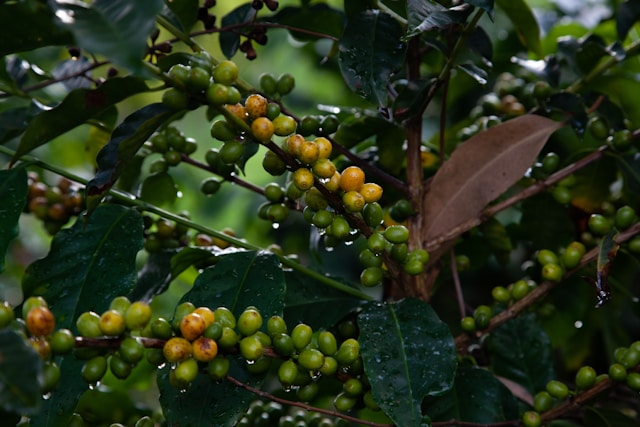
Coffee futures soared on Thursday following a dramatic tariff threat by former US President Donald Trump against Brazil, the world’s largest coffee producer, according to a report by the Financial Times. Trump announced plans to impose a 50 percent tariff on Brazilian coffee imports starting August 1, accusing the Brazilian government of undermining free speech and targeting former right-wing president Jair Bolsonaro.
In a letter posted on his social media platform Truth Social, Trump’s move sent immediate shockwaves through the coffee market. Arabica coffee futures traded in New York jumped more than 3.5 percent Thursday morning, reflecting fears of supply disruptions and higher costs for US consumers. Arabica beans, known for their use in premium coffee blends, come predominantly from Brazil, which is the US’s main supplier.
“The US is Brazil’s main coffee buyer, so this tariff will certainly hit sentiment,” said a trader quoted by the Financial Times, emphasizing the scale of the potential impact on the industry.
Giuseppe Lavazza, chairman of the Lavazza Group, expressed concerns prior to Trump’s announcement that while existing US tariffs of 10 percent on EU goods were manageable, imposing tariffs on coffee-producing countries like Brazil and Vietnam would pose significant challenges. He warned that such measures would push coffee prices higher for American consumers.
“The problem is not to have tariffs between America and Europe. The problem is to have tariffs between US and Brazil, US and Vietnam, US and all the countries where coffee is produced,” Lavazza said. “The final outcome will be a rise in the cost of coffee in the US. So the US market becomes more expensive for consumers.”
Coffee prices have experienced volatility in recent years due to supply constraints. Both arabica and robusta beans—grown mainly in Brazil and Vietnam—have seen price surges driven by poor harvests and increased speculative investment. Earlier this year, London robusta futures, the global benchmark, hit a record near $5,700 a tonne, significantly above the historical average of around $1,700. Meanwhile, arabica coffee prices rose 70 percent last year to $4.20 per pound.
Though prices had softened recently amid hopes of better harvests, Thursday’s tariff threat reignited concerns of supply tightening and price spikes.