The European Union and Singapore have issued a joint warning against the growing threat of hybrid warfare orchestrated by Russia and China, calling for greater global coordination to combat asymmetric tactics that transcend borders and traditional military conflict.
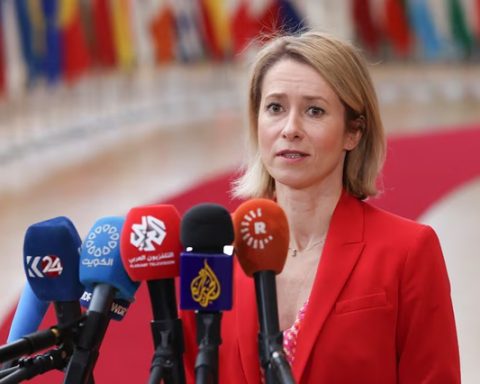
EU foreign affairs chief Kaja Kallas and Singapore’s Minister for National Security K. Shanmugam made separate but strongly aligned statements on Friday, underscoring the increasingly interconnected nature of Euro-Atlantic and Indo-Pacific security.
Kallas warned that Russia’s hybrid campaigns—encompassing cyberattacks, disinformation, infrastructure sabotage, and manipulation of migration—are not confined to Europe. She emphasized that the same tactics are appearing across the Indo-Pacific, and that global responses must be equally integrated. “Treating these threats as isolated obscures their purpose,” she said, highlighting the cumulative and corrosive impact of hybrid warfare.
The EU and the UK recently imposed sanctions on Russia’s military intelligence agency, targeting three of its operational units and multiple individuals. NATO and Australia also issued statements condemning Russia’s actions, pointing to a shift toward a more coordinated Western response.
Meanwhile, in Singapore, Shanmugam identified advanced cyber threats targeting national infrastructure, attributing recent attacks to UNC3886—an elite China-linked espionage group. “We will reexamine our vendors and supply chains,” he said, hinting at a policy shift in how Singapore handles Chinese technology firms and other foreign dependencies.
The unusually direct attribution to China marks a turning point for Singapore, which traditionally avoids public criticism of Beijing. Analysts view it as a sign of growing resolve across Asia in the face of repeated and sophisticated interference.
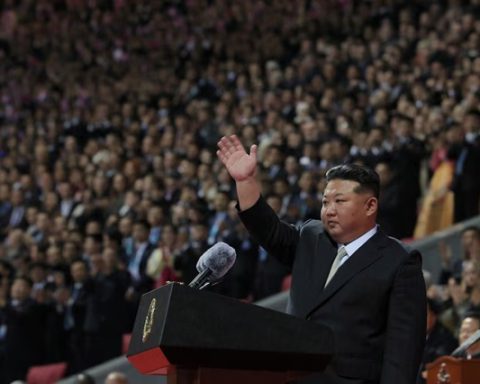
Hybrid tactics in the Indo-Pacific include cyber intrusions, election interference in Taiwan and the Philippines, GPS jamming, and sabotage of undersea infrastructure in the South China Sea. North Korea also plays a role in the region’s destabilization efforts, further complicating response coordination.
Kallas and UK Foreign Secretary David Lammy emphasized that such campaigns aim not just to disrupt but to weaken alliances and undermine democratic resilience through persistent, often deniable, pressure.
The EU’s evolving “Hybrid Toolbox” brings together sanctions, public attribution, cyber defense measures, and diplomatic action, offering a blueprint for Indo-Pacific countries looking to strengthen their defenses. Regional frameworks like the Quad, AUKUS, ASEAN, and the Pacific Islands Forum could adapt similar protocols to ensure coordinated action, experts suggest.
Australia’s growing security ties with the EU, formalized in a new defense partnership under Prime Minister Anthony Albanese, were cited as a key example of bridging regional divides to address a global threat.
The joint messaging from Brussels and Singapore reinforces the urgency of moving from reactive postures to proactive deterrence. “Only a unified stance can resist hybrid warfare,” Kallas said. “Silence and fragmentation are vulnerabilities. Coordination is our strongest defense.”