by Our Correspondent in Colombo
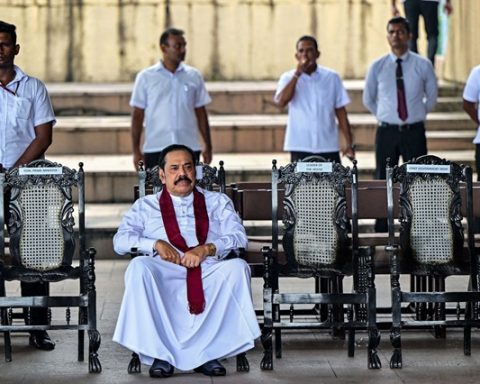
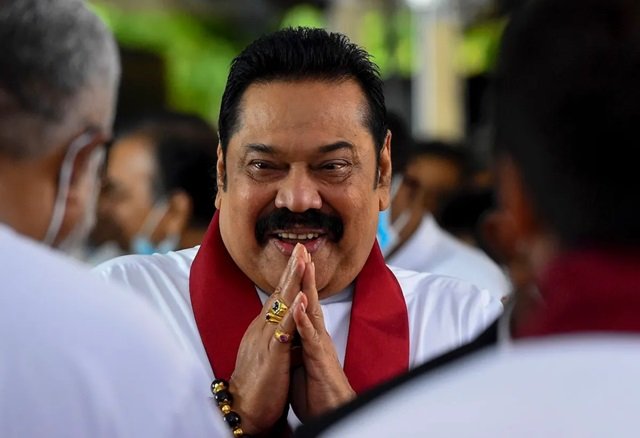
Former Sri Lankan president Mahinda Rajapaksa has reportedly been admitted to the intensive care unit (ICU) of Nawaloka Hospital in Colombo after experiencing a sudden cardiac condition, according to an unconfirmed report citing sources described as reliable.
The report said Rajapaksa had undergone several medical examinations in recent days and was receiving treatment from a team of specialist doctors. It also stated that he had planned to visit his wife, Shiranthi Rajapaksa, and son, parliamentarian Namal Rajapaksa, at Welikada Prison.
The reported hospital admission has not been independently confirmed by an official statement or a hospital announcement. The seriousness of the reported condition therefore remains unclear.
The development comes as members of the Rajapaksa family face legal proceedings over alleged financial misconduct, placing renewed attention on the political legacy of one of Sri Lanka’s most influential political dynasties.
Shiranthi Rajapaksa, the former first lady, was arrested on October 7 by the Commission to Investigate Allegations of Bribery or Corruption over allegations involving 10 million Sri Lankan rupees received from a state bank for a charitable initiative. Investigators allege that the funds, reportedly intended to help provide a medical scanner for a government hospital through the Siriliya Saviya organisation, were misused. She has been remanded pending further proceedings. The allegations have not been established as proven wrongdoing.
Namal Rajapaksa, an opposition parliamentarian and Mahinda Rajapaksa’s son, is also in remand custody. His detention is linked to an investigation into an alleged 70 million rupee transaction involving the Krrish Group and a stalled development project. A court extended his remand until October 16 as the investigation continued. The case remains subject to legal proceedings.
A political legacy shaped by war and economic crisis
Mahinda Rajapaksa served as president from 2005 to 2015 and remains a defining figure in Sri Lankan politics. His government’s military campaign against the Liberation Tigers of Tamil Eelam culminated in the group’s defeat in May 2009, ending a 26-year civil war.
The military victory earned Rajapaksa considerable support among many members of the country’s Sinhala Buddhist majority, who credited his administration with ending the conflict. However, the final stages of the war remain deeply contested, with allegations of serious human rights violations and unresolved demands for accountability continuing to shape debates about his legacy.
Rajapaksa’s political standing subsequently weakened amid allegations of corruption, the concentration of power within his family and concerns about restrictions on civil liberties. He lost the 2015 presidential election while seeking a third term.
The family returned to the centre of national politics in 2019, when Mahinda’s brother Gotabaya Rajapaksa won the presidency. Mahinda later served as prime minister, while other members of the family occupied prominent positions in government.
That political resurgence collapsed during Sri Lanka’s severe economic crisis. Shortages of fuel, food and medicines, rising prices and public anger culminated in mass protests in 2022. Gotabaya Rajapaksa fled the country and resigned, marking a dramatic reversal for a family that had dominated national politics for years.
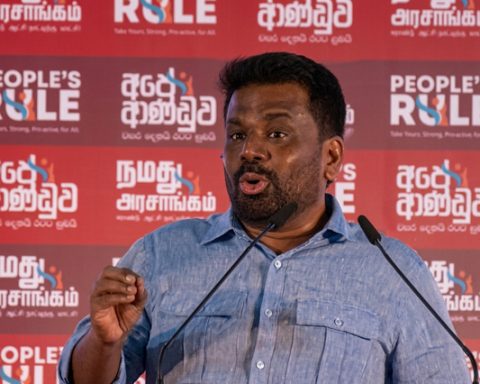
President Anura Kumara Dissanayake, elected in 2024 on an anti-corruption platform, pledged to pursue allegations involving members of the Rajapaksa family and officials from previous administrations. The investigations involving Shiranthi and Namal have brought renewed scrutiny to questions of public accountability and the family’s political influence.
If confirmed, Mahinda Rajapaksa’s reported hospitalisation would come at a consequential moment for his family. Once celebrated by supporters as the leader who presided over the end of the civil war, the former president now faces a political landscape in which his legacy remains tied to the military campaign, unresolved accountability questions, the country’s economic collapse and corruption allegations involving close relatives.