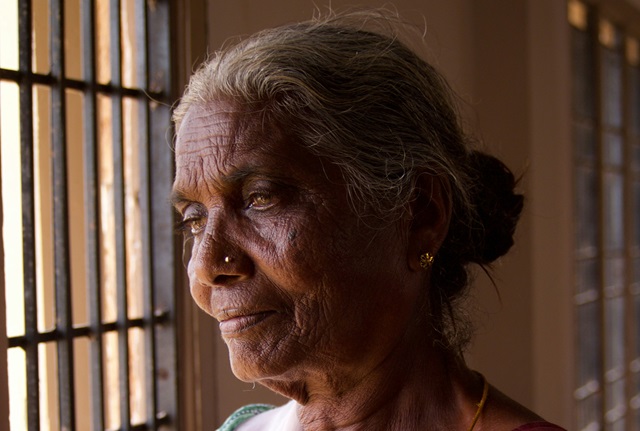
Visual impairment (blindness) is one of the most severe forms of physical disability that human beings endure. The consequences are even more profound when it affects a woman. The plight is further exacerbated if the visually impaired woman belongs to a lower-income group with little or no financial support. It is difficult to even imagine the challenges faced by such women. There are lakhs of visually impaired women not only in India but across the world. The problems they face appear to be largely similar globally.
In India, while the government does extend some form of support to visually impaired persons, it remains marginal. The government can only do so much, given its many other commitments. In most cases, no distinction is made between visually impaired men and women in the allocation of support.
In many instances, visually impaired women find themselves feeling isolated and neglected, often leading lives of loneliness. This sense of isolation is common among visually impaired women, regardless of their financial background. This is the harsh ground reality.
Despite these challenges, many visually impaired women today are making efforts to pursue formal education by attending special schools. A few even progress to college to gain qualifications. However, opportunities are limited, as there are very few educational institutions that cater specifically to the needs of visually impaired women.
The number of visually impaired women who manage to acquire such qualifications remains a small percentage of their overall population. Many live in small towns and rural areas, where accessibility to educational institutions nearby poses a major hurdle.
Most visually impaired students are admitted only into arts courses, not science or technical subjects. A number of them go on to qualify for teaching professions.
Government schools, colleges, and other public sector departments have some reservation policies to provide jobs for visually impaired persons. However, many of these reserved positions remain unfilled due to various administrative shortcomings. In the case of such posts, visually impaired women have to compete with visually impaired men—there is no separate reservation for women within this category.
Those visually impaired women who do secure jobs are considered the “fortunate few,” while thousands of others remain unemployed. The private sector rarely employs visually impaired persons—especially not women.
In most cases, visually impaired women are taken care of by their parents to some extent. However, once their parents pass away, support from other family members tends to dwindle, likely due to poor economic conditions. It is a heart-wrenching sight to see visually impaired women struggling to survive—selling miscellaneous items on the streets or on trains, or occasionally forming small musical groups and performing in crowded areas to attract attention and receive alms.
When it comes to marriage, most visually impaired women marry visually impaired men, as men without disabilities rarely come forward. Even among these couples, some end up separating after a few years—likely due to financial hardship and a stressful life.
Encouragingly, the children of visually impaired couples generally have good eyesight. These parents strive to educate their children, typically enrolling them in government-run institutions, as they cannot afford expensive private schools. Sadly, there are instances where grown-up children fail to adequately care for their visually impaired mothers. In effect, the suffering of these women often spans their entire lives—from beginning to end.
One redeeming aspect is the resilience many visually impaired women show. In the company of others like themselves, they try to lift their spirits, accepting the perceived “injustice” inflicted upon them by fate or divine will—something beyond human understanding. Watching these women laugh and joke in group gatherings, while concealing their inner turmoil, speaks volumes of their philosophical outlook and ability to reconcile themselves to their harsh reality, knowing there may never be true relief.
In short, society must find ways and means to support visually impaired women—financially, materially, and emotionally through kind words and counselling. While this may not erase their pain completely, it can offer some comfort and dignity.
Undoubtedly, society holds a responsibility towards these women. Sadly, society is not responding as it should—possibly because the severe problems faced by visually impaired women are not sufficiently highlighted in the media or public discourse.
There are indeed noble organisations and compassionate individuals who extend support—but they are far too few.
In the state of Tamil Nadu alone, it is reported that there are over five lakh visually impaired women, with 90% living in poverty. At the same time, there are likely over one crore individuals in Tamil Nadu with sufficient income. If every group of ten people from this income bracket were to support just one visually impaired woman for life, much of this suffering could be alleviated. Such efforts would reflect a society that is responsible and caring.
One final concern: these days, we often read in the media about young women being attacked or molested by intoxicated men. In such an environment, one shudders to think of the safety threats faced by visually impaired women—who cannot even see whether it is a red flag or a white one.