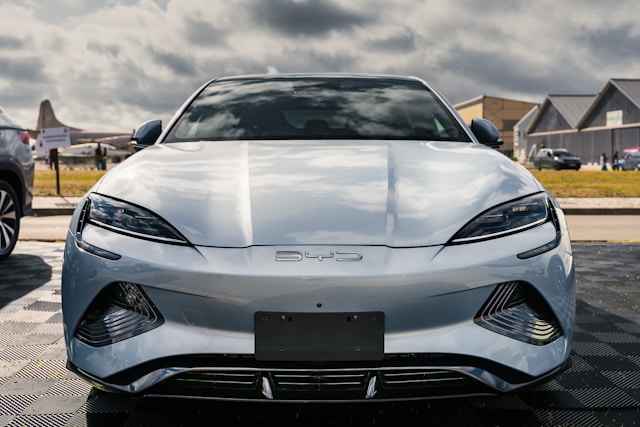
Chinese electric vehicle giant BYD Co. is pressing forward with its India ambitions, even as political tensions and regulatory barriers continue to complicate its operations in the country.
Since a deadly 2020 border clash between Indian and Chinese troops in the Himalayas, Chinese companies, including BYD, have faced tightened scrutiny from Indian authorities. This includes an ongoing freeze on executive visas, forcing the EV maker to conduct high-level meetings in third-party countries such as Sri Lanka, Nepal, and Singapore, according to people familiar with the matter.
Ketsu Zhang, BYD’s Managing Director for India, has reportedly been unable to secure a work permit after departing from the company’s Chennai base. Despite government efforts to facilitate his return, Zhang now operates from Tokyo, overseeing India and other Asian markets remotely.
While India’s EV market offers significant growth potential, BYD continues to face resistance from officials wary of Chinese investment in strategic sectors. Earlier this year, Commerce Minister Piyush Goyal reaffirmed India’s stance, saying the government is not open to further investment from BYD due to national security concerns. This follows India’s earlier rejection of BYD’s $1 billion proposal to build a manufacturing plant in partnership with a local firm.
That decision bars BYD from qualifying for incentives tied to local production, including lower import tariffs for fully assembled EVs. As a result, most BYD vehicles sold in India are imported — subject to duties that can double the price of a car — though the company does operate an assembly facility in Chennai with limited capacity.
Despite these challenges, BYD’s sales in India are climbing steadily. Data shows that first-half 2025 sales are nearing the total for all of 2024, signaling strong consumer interest even as the company grapples with regulatory headwinds.
A BYD spokesperson in India declined to comment on the current situation.
The contrast with U.S. rival Tesla Inc. is striking. Tesla CEO Elon Musk met with Indian Prime Minister Narendra Modi earlier this year, and the company recently opened its first showrooms in India. While Tesla still faces high import tariffs — up to 110% — it has yet to commit to local manufacturing.
For BYD, overseas expansion is critical as demand in China softens and government tolerance for deep discounting wanes. But without broader access to the Indian market, BYD’s long-term prospects in the region remain uncertain.
There may be signs of a thaw. Earlier this month, India reopened tourist visa applications for Chinese nationals, hinting at a possible easing of restrictions. Still, there is no clear timeline for when, or if, BYD will be allowed to operate at full capacity on Indian soil.