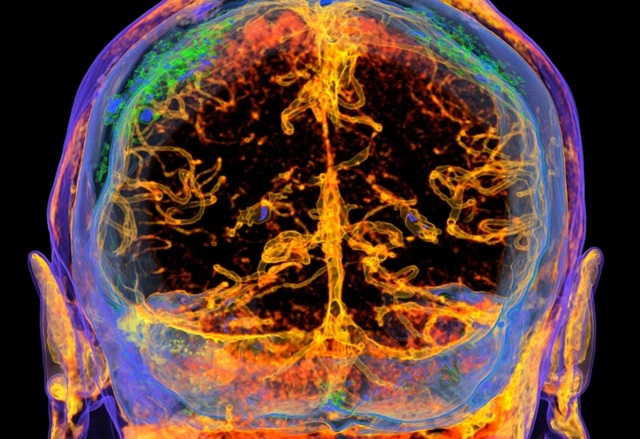
Scientists are making striking progress in applying gene-editing technology to one of medicine’s toughest frontiers: the human brain. According to a recent report in Nature, breakthroughs in mice suggest that CRISPR-based tools could soon offer treatments for devastating neurological diseases once considered untouchable.
For years, researchers have successfully used genome-editing therapies in the blood, liver, and eyes. But targeting the brain presents unique challenges due to its protective blood–brain barrier, which blocks many substances from entering. Now, advances in delivery methods and precision editing are moving scientists closer to overcoming this obstacle.
“The data have never looked so good,” said Monica Coenraads, founder and CEO of the Rett Syndrome Research Trust in Connecticut. “This is less and less science fiction, and closer to reality.”
Recent studies in mice have shown dramatic results. At the Broad Institute of MIT and Harvard, David Liu’s team used prime editing—a refined version of CRISPR—to correct a mutation that causes alternating hemiplegia of childhood (AHC), a rare neurological disorder. The treatment repaired the mutation in about half of the brain’s cortex, easing seizure-like episodes, improving cognition and motor control, and extending the animals’ lifespans. “The mouse results were dramatic,” Liu told Nature.
Meanwhile, researchers at Shanghai Jiao Tong University School of Medicine used base editing to repair a gene linked to epilepsy and intellectual disability. Correcting the mutation not only improved brain cell connections but also restored normal social behaviors in mice. Both teams are also pursuing treatments for Rett syndrome, Huntington’s disease, and Friedreich’s ataxia.
Unlike conventional gene therapy, which risks overproducing proteins by adding extra gene copies, editing the brain’s natural DNA is seen as a safer, more precise option. “A gene-editing approach is particularly important for Rett syndrome,” noted Coenraads.
Despite the promising science, challenges remain. Delivering gene-editing tools into the brain often requires adeno-associated virus 9 (AAV9), which can trigger harmful immune reactions at high doses. Scientists are working on safer, lower-dose alternatives and even virus-free delivery systems.
Financial hurdles are also slowing progress. The biotechnology sector in the United States is experiencing a downturn, making it harder to fund expensive and complex gene-editing programs. “The money is drying up,” Coenraads acknowledged, but added that optimism persists as researchers continue to generate strong data.