


South-east Asia has become the “ground zero” for the global online scamming industry, according to the UN, costing victims billions of US dollars each year. Scam operations are run by Chinese crime

South-east Asia has become the “ground zero” for the global online scamming industry, according to the UN, costing victims billions of US dollars each year. Scam operations are run by Chinese crime

In a new study published Sept. 30 in Communications Biology, researchers used brain scans taken while people watched an old episode of Alfred Hitchcock Presents to explore how the brain processes time. The findings suggest that age-related changes in how
In the wild, a mouse or rat leads a precarious life. In the city, they dodge traps, poisons, and broom-wielding humans. In the countryside,
Thirty years ago this week, astronomers Michel Mayor and Didier Queloz made a groundbreaking announcement: they had discovered the first planet orbiting a Sun-like

South-east Asia has become the “ground zero” for the global online scamming industry, according to the UN, costing victims billions of US dollars each year. Scam operations are run by Chinese crime
More
In a new study published Sept. 30 in Communications Biology, researchers used brain scans taken while people watched an old episode of Alfred Hitchcock Presents to explore how the brain processes time.
More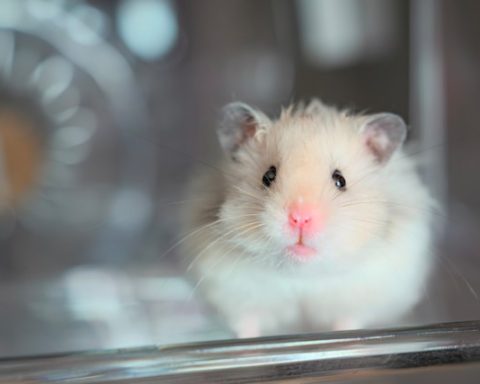
In the wild, a mouse or rat leads a precarious life. In the city, they dodge traps, poisons, and broom-wielding humans. In the countryside, they face owls, shotguns, and more poison. As
More
Thirty years ago this week, astronomers Michel Mayor and Didier Queloz made a groundbreaking announcement: they had discovered the first planet orbiting a Sun-like star, 51 Pegasi, a discovery later published in
More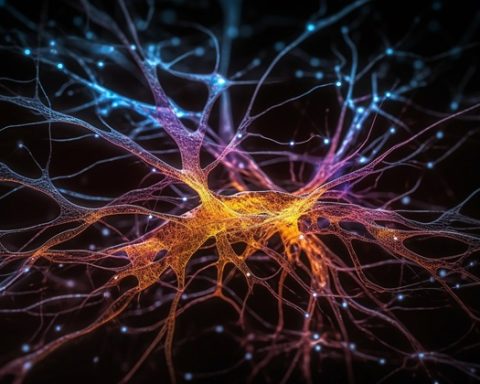
Scientists are exploring an innovative approach to treating brain disorders by replacing microglia, the immune cells that patrol and maintain the brain. Recent studies suggest that microglia replacement could one day help
More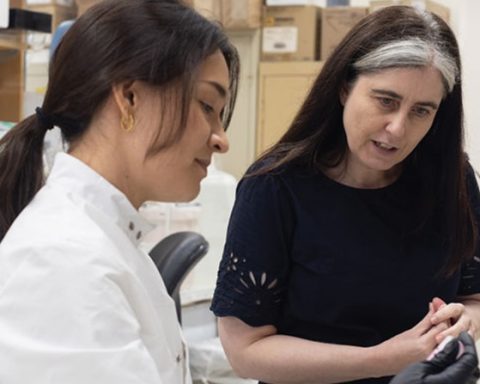
Neurons have long dominated the spotlight in neuroscience, celebrated as the drivers of thought, movement, and memory. Yet, behind the scenes, a quieter, star-shaped group of cells—astrocytes—has been orchestrating much of the
More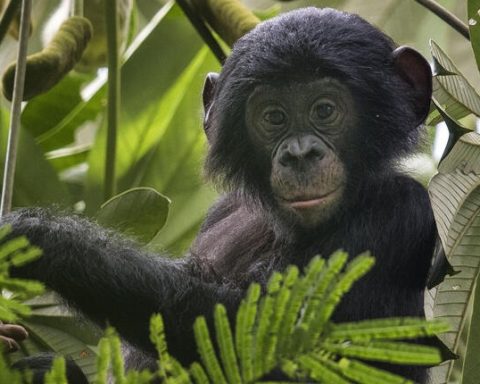
Deep in the rainforests of the Democratic Republic of the Congo, researchers have discovered that bonobos (Pan paniscus) may have far more sophisticated communication abilities than previously believed. A study led by
More
This week, leading researchers are meeting in Manchester to discuss whether to impose limits on experiments that could one day produce “mirror life”: synthetic cells made entirely from molecules that are mirror
More
In a landmark achievement for paleontology, scientists in China have directly dated a fossilized dinosaur egg for the first time, determining it to be 85.9 million years old. The breakthrough, detailed today
More
A new frontier in genetic engineering has galloped into the world of horse breeding. For the first time, researchers have used CRISPR–Cas9 gene-editing technology to modify the genome of horses, creating animals
More Traumatic injuries to the central nervous system (CNS), including traumatic brain injury (TBI) and spinal cord injury (SCI), remain a major medical challenge due to oxidative damage and neuroinflammation. Current treatments are
More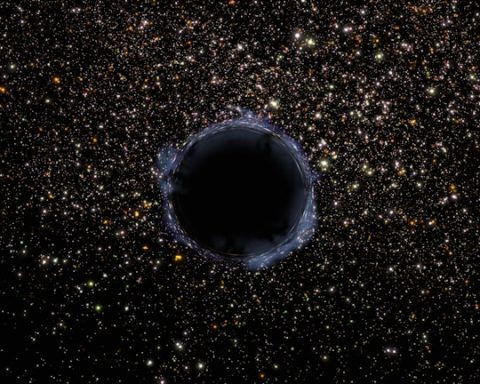
A team led by Prof. Mao Jirong from the Yunnan Observatories of the Chinese Academy of Sciences, alongside international collaborators, has provided compelling evidence of standing shocks in low-angular-momentum black hole accretion
More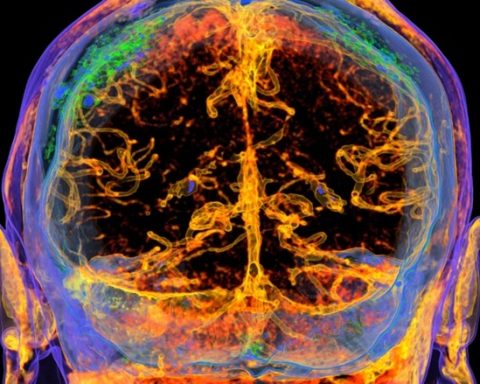
Scientists are making striking progress in applying gene-editing technology to one of medicine’s toughest frontiers: the human brain. According to a recent report in Nature, breakthroughs in mice suggest that CRISPR-based tools
More
Indigenous scholars from settler-colonial countries including Aotearoa (New Zealand), Canada, Australia, and the United States have called for a fundamental shift in how scientific institutions engage with Indigenous peoples and knowledge. Writing
More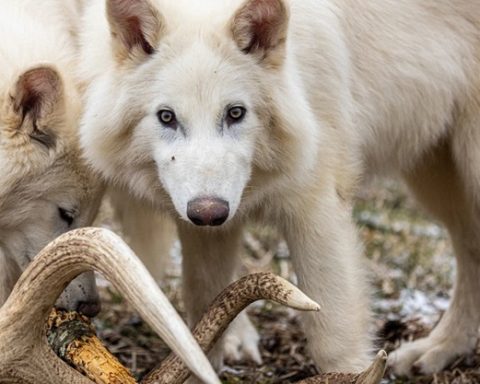
Texas-based biotech startup Colossal Biosciences has announced the creation of three gene-edited animals that it claims are the world’s first “de-extinct” creatures. The announcement, made in April and reported by Nature, has
More