The Maldives will lift its 15-year-old ban on shark fishing this November, President Mohamed Muizzu’s office announced Wednesday, in a policy reversal that has sparked alarm among marine conservation groups.
Shark fishing, once the second-most important catch in the Indian Ocean archipelago after tuna, was banned nationwide in 2010 after studies showed that the tourism revenue from divers seeking encounters with live sharks far outweighed the earnings from shark oil exports. Prior to the ban, sharks had been heavily targeted, with restrictions dating back as far as 1998.
Speaking during a visit to Kulhudhuffushi island north of the capital Malé, Muizzu urged locals to prepare for the reopening of gulper shark fisheries. He described the sector as “a significant source of income” and said it would be managed under a new regulatory framework.
The announcement has raised concerns among environmental organizations. UK-based Shark Guardian warned that resuming shark fishing could undermine both marine ecosystems and the Maldives’ reputation as a global diving hotspot.
“This move is deeply troubling, not only because it undermines the Maldives’s reputation as a global shark sanctuary but also because it risks the long-term health of the nation’s tourism-dependent economy,” a Shark Guardian representative told AFP.
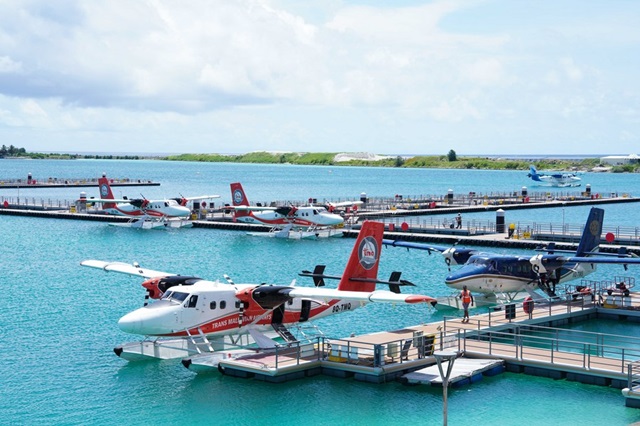
The Maldives, a nation of 1,192 low-lying coral islands, relies heavily on both fisheries and tourism. While Maldivians traditionally do not consume shark meat, shark liver oil was once a major export earner before the rise of luxury tourism.
Muizzu, who took office in late 2023, has also pursued ambitious land reclamation projects and the construction of higher islands to combat rising sea levels, though environmental groups argue such strategies could worsen ecological damage.