Vadim and his wife, Yuliya, thought they had finally reached safety when they crossed the U.S. southern border last year. Fleeing Yakutia in eastern Russia after falling under surveillance for their anti-war activism, the couple risked everything to escape President Vladimir Putin’s regime. But instead of freedom, they were detained in a California immigration facility, where they spent five months behind bars. “I’d escaped a Russian prison only to end up in an American jail,” Vadim said.
Their ordeal reflects the plight of dozens of Russian dissidents who, despite seeking refuge in the United States, now face deportation back to Moscow with the cooperation of U.S. immigration authorities. Many of them fear persecution, imprisonment, or forced conscription if returned to Russia. Vadim and Yuliya, who shared uncensored accounts of the war in Ukraine on an anti-war Telegram channel, say they live in constant fear of a knock at the door from Immigration and Customs Enforcement (ICE) agents.
In recent months, deportations have intensified. On August 27, less than two weeks after President Donald Trump’s summit with Putin in Alaska, dozens of Russians were rounded up and expelled. Among them was 27-year-old Andrei Vovchenko, a deserter from the war in Ukraine, who now faces a possible decade-long prison sentence or a forced return to the battlefield. Campaigners believe the U.S. is not only deporting Russian asylum seekers but also handing over sensitive documents that detail their political activities — material that could be used as evidence in criminal cases back home.
According to estimates cited by Russian diaspora groups, about 70,000 Russians have crossed into the United States since the invasion of Ukraine. Many took the same route as Vadim and Yuliya: flying first to Mexico City, then waiting months to secure an asylum appointment before crossing the border. Upon arrival, they were often placed in detention centres alongside migrants from Central and South America. Conditions, according to Vadim, were harsh. Cells held up to 64 people; several detainees attempted suicide. “Every day felt like the last,” he said.
The deportations are part of Trump’s sweeping crackdown on immigration, which has largely targeted Latino communities but now appears to ensnare Russian political exiles as well. According to immigration advocates, the U.S. has deported nearly 200,000 people in Trump’s first seven months back in office. While many have been sent to Central America and Africa, Russians are increasingly among those forced onto flights — often routed through Egypt, where officials ensure they continue onward to Moscow.
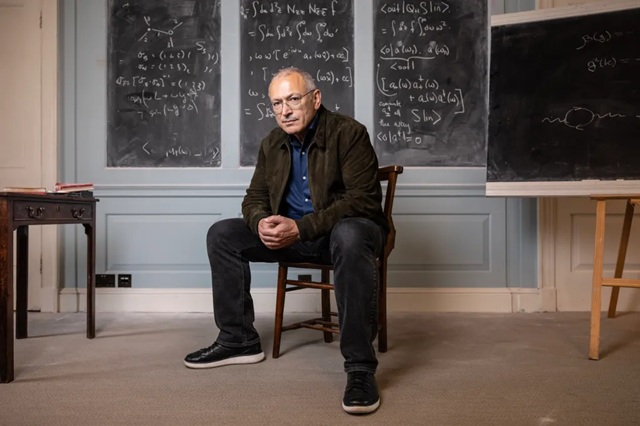
Mikhail Khodorkovsky, the exiled former oligarch and longtime Putin critic, told The Times that while he supports strict border controls, Washington’s treatment of Russians fleeing persecution is alarming. “Among the 5,000 Russians currently in detention are several hundred individuals who are genuinely persecuted in Russia for their anti-war and pro-democracy positions,” he said. Khodorkovsky warned that by cooperating with Russian authorities, the U.S. risks being seen as an “ally of dictators.”
Other activists point out that the deportation policy did not begin under Trump. Smaller numbers of Russians were sent back during Joe Biden’s presidency, though some managed to escape during transit flights. Now, with closer coordination between U.S., Egyptian, and Russian officials, the chances of avoiding forced return are slim.
For Vadim and Yuliya, life in Brooklyn is lived in a constant state of vigilance. Both wear ankle tags and avoid public transport for fear of ICE raids. Once hopeful that America would offer them protection, they now fear they could share the fate of Alexei Navalny, whose death earlier this year underscored the dangers facing Putin’s opponents. “I have sacrificed everything to stand up for what is right,” Vadim said. “If that makes me a traitor, so be it.”