The arrest of multiple Mexican Navy officers this week in connection with an alleged billion-dollar fuel-smuggling operation has sent shockwaves through one of the country’s most trusted institutions, raising concerns about corruption and undermining its role as Washington’s preferred security partner.
Authorities apprehended 14 individuals across several states, including five active-duty marines, over accusations of smuggling diesel fuel from the United States. One officer tied to the scandal was discovered dead in his office, while another died during what the Navy described as a shooting practice exercise. Dozens more arrests are reportedly imminent.
The navy’s top units have long worked alongside US counterparts in high-profile operations, including raids to capture drug kingpins like Joaquín “El Chapo” Guzmán. Public opinion polls consistently rank the Navy as Mexico’s most effective security force. The revelations, therefore, have delivered a significant blow to its reputation.
“The reputation hit is huge and will take time to heal,” security analyst Eduardo Guerrero told the press. “Inside, they are very worried, very, very alarmed and will take measures, hopefully drastic exemplary ones, so this doesn’t happen again.”
The scandal comes amid heightened US pressure on President Claudia Sheinbaum’s government to crack down on illegal fuel imports, which Washington believes are financing drug cartels it now labels as terrorist organizations. Just days ago, US Secretary of State Marco Rubio visited Mexico, underscoring the importance of cooperation.
In response, Navy Secretary Pedro Morales vowed a forceful crackdown. “We can’t be lukewarm in these kinds of actions. The federal government has a policy of zero tolerance of corruption,” he declared.
The military’s increased role in civilian sectors during the administration of former President Andrés Manuel López Obrador, Sheinbaum’s predecessor, exposed it to new risks. López Obrador had entrusted the armed forces with oversight of customs, policing, airports, and train lines, citing their efficiency and public trust. However, critics had warned this expansion could invite scrutiny and corruption—concerns that now appear to be validated.
A June investigation by the Financial Times revealed how military oversight had enabled networks of officials and business leaders to create one of the world’s largest illicit fuel markets, valued at up to $20 billion annually.
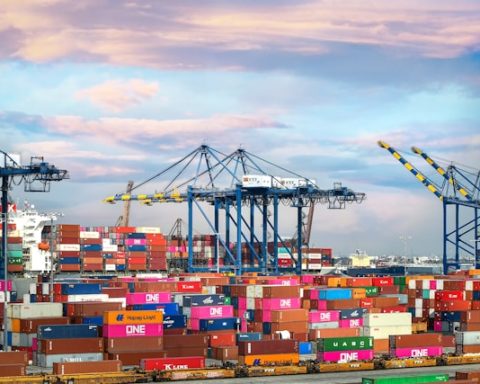
The latest arrests are linked to a March seizure of a 46,000-ton vessel carrying contraband diesel. Prosecutors allege that senior navy officers—including a relative of former Navy Secretary Rafael Ojeda—were involved in schemes to evade import taxes. Officials noted that Ojeda, who initially raised corruption concerns, is not under investigation.
“It’s Mexico’s biggest corruption scandal in years,” said Raúl Benítez Manaut, a professor at the National Autonomous University of Mexico and naval school Cesnav. “The marines are very angry and want Morales to bring out the knife and hit this hard.”
The Navy, smaller and more prestigious than the army, has cultivated a reputation for being better trained and less corrupt. While allegations of excessive force and extrajudicial killings have marred its record at times, corruption scandals on this scale have been rare.
The scandal also signals a broader shift in Mexico’s security dynamics. President Sheinbaum’s civilian security chief, Omar García Harfuch, has become the primary liaison with Washington, tasked with overseeing crime-fighting operations and coordinating sensitive cases, including this one.
Former US President Donald Trump has previously accused the Mexican government of fostering an “intolerable alliance” with cartels, and he has not ruled out unilateral military interventions, such as drone strikes, if illicit activities are not addressed.