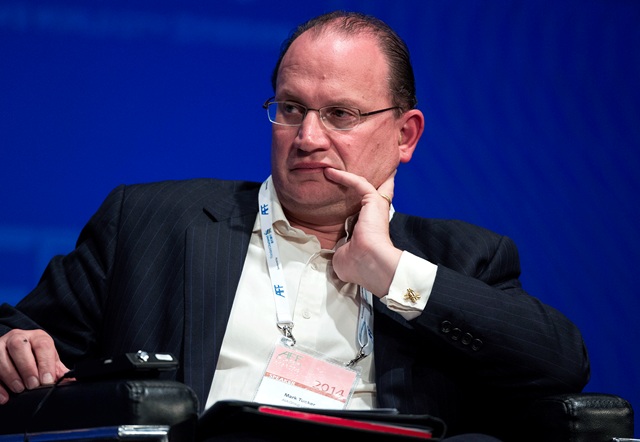
HSBC faces a period of uncertainty as Mark Tucker prepares to step down as chair on Tuesday, ending an eight-year tenure at Europe’s largest lender. The departure leaves the bank without a permanent successor, with the search for a new chair continuing amid growing scrutiny.
Tucker, who announced his decision to leave earlier this year, will take up the chair role at Asian insurer AIA Group. HSBC named Brendan Nelson, a former KPMG executive who joined the board two years ago, as interim chair from October 1. The move highlights the bank’s struggle to fill one of the most high-profile roles in global banking.
According to the Financial Times, the leadership vacuum is “highly unusual” for a company of HSBC’s scale, which is worth more than the next four London-listed banks combined. The situation has also raised concerns among UK regulators, who have pressed the bank to appoint a permanent chair.
Tucker, the first outsider to chair HSBC since its founding in 1865, was widely regarded as a skilled political operator, crucial for a bank straddling Eastern and Western markets. Under his leadership, HSBC navigated multiple CEO transitions, including the appointments of John Flint, Noel Quinn, and Georges Elhedery. Elhedery’s appointment and subsequent restructuring last year reportedly slowed the search for Tucker’s successor.
The bank has enlisted London-based headhunters MWM Consulting to identify suitable candidates with experience in Asia and an ability to manage US regulatory challenges. Early efforts produced only a handful of viable names, with some high-profile figures, including Zurich Insurance Group CEO Mario Greco and Baroness Shriti Vadera, declining consideration.
The Financial Times reports that HSBC is also in talks with Naguib Kheraj, chair of Goldman Sachs vehicle Petershill Partners. If no suitable candidate is found, interim chair Nelson or senior independent director Ann Godbehere could potentially step into the permanent role.
HSBC confirmed that the recruitment process is ongoing, saying it would “provide an update in due course,” leaving investors and regulators watching closely as Europe’s banking giant navigates this pivotal leadership transition.