East Japan Railway (JR East) is making a bold push into Asia as Japan’s domestic market faces shrinking populations and limited growth. According to Nikkei, the company is training Indian drivers for its high-speed rail project and bidding to manage commuter lines in the Philippines, signaling a major expansion beyond its Tokyo stronghold. The move reflects JR East’s ambition to reach cumulative overseas sales of over 100 billion yen ($663 million) by 2032.
Thailand has already been a testbed for JR East’s international strategy. In 2016, the company supplied 63 carriages to Bangkok’s Purple Line and continues to maintain rolling stock and ground facilities through a local joint venture with Marubeni and Toshiba. The company is now exploring similar opportunities across Asia, selling carriages and providing maintenance contracts as it builds its overseas railway business.
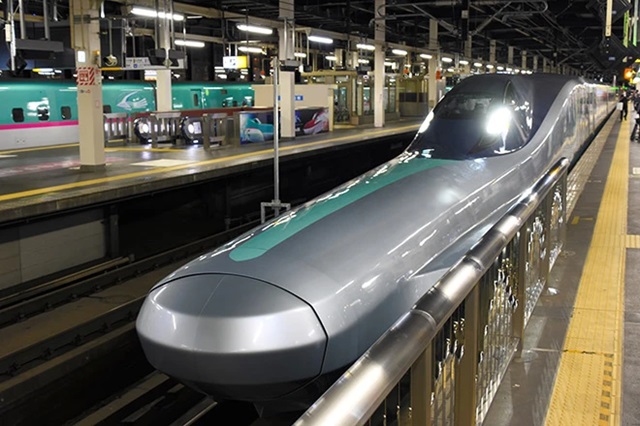
India is the centerpiece of JR East’s high-speed rail ambitions. The Indian government plans to purchase the company’s next-generation E10 shinkansen trains, and JR East is currently instructing 16 Indian trainees on Japanese driving techniques. Prime Minister Narendra Modi rode the Tohoku Shinkansen during a visit to Japan in August, highlighting the diplomatic dimension of this collaboration. Meanwhile, in the Philippines, JR East, alongside a subsidiary of Paris public transport operator RATP, plans to bid for operations and maintenance of the new North-South Commuter Railway running through Metro Manila.
Indonesia has also become a critical market. JR East has provided technical support for rolling stock and pantographs, staff training, and station operations, transferring around 800 used Tokyo-area train cars to Jakarta. The company has also hired local talent from Indonesia and the Philippines, aiming to develop a workforce familiar with Japanese railway standards while eventually placing them back in their home markets to support regional operations.
To accelerate expansion, JR East acquired Singapore-based railroad construction company Gates PCM in 2023 and plans to continue using mergers and acquisitions as a foothold in Asia. In July, the company set ambitious sales targets for its overseas business, reflecting a strategic pivot as domestic markets stagnate amid Japan’s aging population. Nikkei notes that while Japan’s urban rail network remains world-class—Shinjuku and Shibuya stations among the busiest globally—competition in Asia is intensifying. European operators and Chinese state-owned CRRC are aggressively vying for contracts, turning partners like RATP into potential rivals.
JR East’s strategy goes beyond trains. By establishing a specialized overseas division next year, the company intends to integrate non-rail businesses such as station facilities and urban development projects with railway operations. The goal is clear: leverage Japanese safety, punctuality, and technical expertise to dominate the rapidly growing commuter and high-speed rail markets across Asia before competitors seize the opportunity.