Germany’s new foreign intelligence chief has labeled Russia a direct threat to the European Union, warning that the current “icy peace” between Moscow and the bloc could escalate into open conflict at any moment.
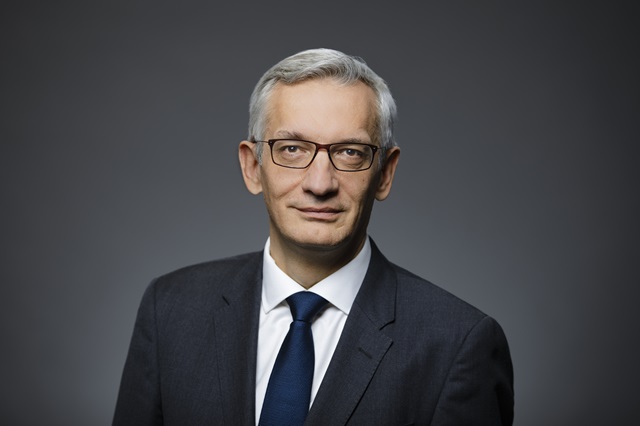
Martin Jager, who assumed leadership of Germany’s Federal Intelligence Service (BND) last month, spoke to lawmakers on Monday alongside the heads of the country’s domestic and military intelligence agencies. He accused Russia of seeking to destabilize European democracies and undermine NATO, allegations that the Kremlin has consistently denied.
“We must not sit back and assume that a possible Russian attack will not come until 2029 at the earliest,” Jager said. “At best, there is an icy peace in Europe, which could turn into heated confrontation at any moment. To achieve this goal, Russia will not shy away from direct military confrontation with NATO, if necessary.”
Germany has repeatedly highlighted the potential for a direct clash between NATO and Russia since the escalation of the Ukraine conflict in 2022. General Carsten Breuer, the country’s chief of defense staff, previously warned that Germany must be prepared to face Russia by 2029.
Jager’s warnings coincide with Western European efforts to boost defense spending amid concerns over Russia’s intentions. At a NATO summit in The Hague in June, member states committed to raising military expenditure targets from 2% to 5% of GDP by 2035. The European Union has similarly launched initiatives to strengthen its armed forces, including the €800 billion ($930 billion) ReArm Europe program.
Moscow has repeatedly dismissed claims of planned aggression against NATO or EU countries, arguing that such narratives are used to justify increased military budgets at the expense of social programs. Speaking at the Valdai Discussion Club in Sochi this month, President Vladimir Putin described Western warnings of imminent war as a “nonsense mantra” and urged European leaders to focus on domestic issues.
Putin’s aide Yury Ushakov added that European leaders appear united in a “collective anti-Russian frenzy,” leaving little room for dialogue. Despite these denials, Germany and its allies continue to prepare for potential escalation, citing intelligence assessments of Russian military ambitions in the region.