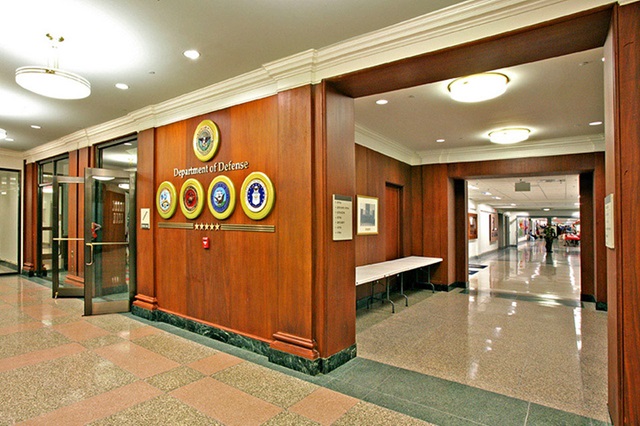
Dozens of journalists covering the U.S. Defense Department vacated their offices at the Pentagon on Wednesday and returned their press credentials after refusing to sign a new Pentagon access policy, Reuters reports. The policy, which took effect this week, sets stricter rules on press access, including the possibility of being labeled a security risk for requesting certain classified or unclassified information.
At least 30 news organizations, including Reuters, declined to sign the policy, arguing it could compromise independent newsgathering and press freedoms at one of the world’s most powerful military institutions.
The Pentagon Press Association, representing more than 100 news outlets, called Wednesday “a dark day for press freedom” and warned that the policy weakens U.S. transparency and public accountability. Chief Pentagon spokesperson Sean Parnell defended the policy, stating it only asks journalists to acknowledge the rules and emphasized that it is intended to protect troops and national security.
Journalists described the Pentagon press area as unusually quiet on Wednesday as they removed furniture, computer servers, and broadcast equipment. “I’ve never seen that place not buzzing like a beehive,” said JJ Green, national security correspondent for WTOP, who turned in his press badge Wednesday morning. Television outlets have until Friday to clear their workspaces.
Press badges traditionally grant reporters access to unclassified spaces and allow interactions with Pentagon spokespeople. Some journalists noted that despite the restrictions, reporting continues using encrypted communication apps.
The policy is the latest expansion of press restrictions under Defense Secretary Pete Hegseth, a former Fox News host. Fox News is among the outlets that have refused to sign on to the new rules.
The developments mark a significant moment in Pentagon-journalist relations, highlighting tensions over access and press freedom in covering the U.S. military.