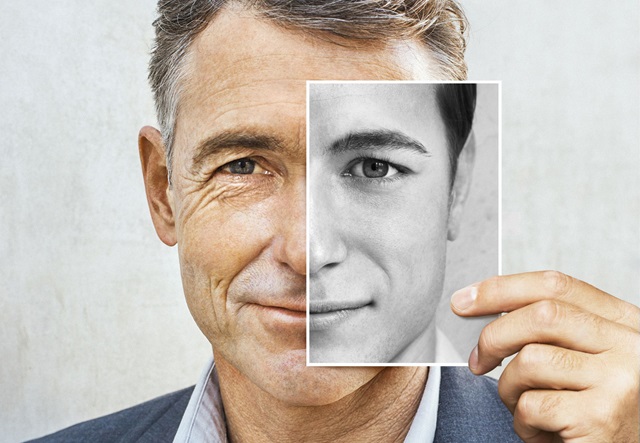
In research labs, scientists are venturing into uncharted territory, pioneering experiments that promise not merely to slow aging but to reverse it. In the marketplace, consumers are racing to buy every new supplement, drip, and therapy that claims to hold back time. The dream that once sent explorers like Juan Ponce de León searching for the Fountain of Youth has returned — this time armed with biotech, stem cells, and billion-dollar funding.
In a landmark experiment published in Cell magazine, researchers at the Chinese Academy of Sciences infused elderly rhesus monkeys with genetically engineered stem cells. Over 44 weeks, the results were astonishing: improved memory, stronger bones, enhanced metabolism, and even renewed fertility, without a trace of tumor growth. The monkeys appeared biologically younger. For scientists, this was no longer fantasy — it was proof that age reversal might be possible.
From Beijing to Silicon Valley, the pursuit of immortality has become a serious enterprise. Tech titans like Jeff Bezos and Sam Altman are investing heavily in cellular reprogramming, plasma transfusions, and anti-senescence drugs — all aimed at making death optional. Experts are calling it the “death dividend,” a trillion-dollar opportunity poised to transform healthcare, insurance, and even human identity itself.
Yet, amid the promise, caution abounds. “Aging happens everywhere, all at once,” said Wu Ligang, a cell biologist at the Chinese Academy of Sciences. Repairing it, he explained, means addressing DNA mutations, protein misfolding, and mitochondrial decay — a monumental task. “You can’t just replace a few old cells and expect the body to start over.”
Still, the promise of youth sells faster than the science can keep up. Clinics around the world now offer “youth in a syringe” — from NAD+ infusions to stem-cell cocktails. Some Silicon Valley billionaires, like Bryan Johnson, have gone so far as to receive plasma transfusions from their own children, claiming rejuvenation effects that remain scientifically unverified. In China, the industry has taken off even faster. The country’s anti-aging market hit 600 billion yuan in 2024 and is projected to top one trillion within five years.
In Shanghai, biotech teams are developing “Prometheus cells” — rejuvenating cells reprogrammed from skin tissue — and testing NMN-based treatments that promise cellular renewal. At the same time, luxury gyms and private clinics are marketing NAD+ “recharge drips” for thousands of yuan per session, touting clearer skin and sharper minds. On social media, users exchange stories of miraculous results and side effects alike, fueling both hype and hope.
Despite tight regulation forbidding anti-aging claims for stem-cell therapies, a gray market thrives online. NMN powders sell for up to 3,000 yuan a bottle, and hashtags like “#AntiAging” flood platforms with testimonials and speculation. For some, it’s a modern gold rush; for others, it’s a dangerous illusion.
Industry analysts say the “longevity economy” now spans far beyond medicine. It touches pharmaceuticals, nutrition, diagnostics, wellness apps, and elderly care — a vast ecosystem powered by both science and aspiration. As Wu Xiaoying of EY China put it, “The field runs on two engines: scientific breakthroughs and consumer demand.”
China’s advantage, experts argue, lies in its scale. With the world’s largest aging population, it offers unparalleled real-world data and rapid adoption of emerging technologies. The true winners in this race, however, will be those who can connect molecules to data, and biology to business.
The war against aging has begun, and the line between science and desire is blurring fast. Whether humanity is on the verge of conquering time — or merely chasing it — remains the most vital question of our century.