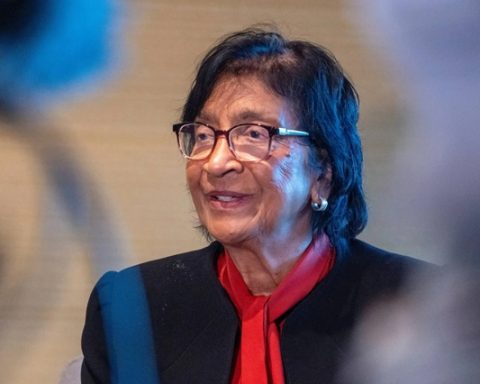
Britain’s top psychiatrist has issued a stark warning over the dangers of high-strength cannabis for young people, saying the drug is causing long-term brain damage and dramatically increasing the risk of psychotic illness.
Dr Lade Smith, president of the Royal College of Psychiatrists, told Times UK that the widespread perception of cannabis as “relatively safe” is dangerously misleading. “When you start smoking with your mates at 14 or 15, you are literally growing your brain in a cannabis soup,” she said. “There’s no doubt at all. Cannabis is a cause of psychosis.”
Cannabis remains the most widely used illegal drug in England and Wales. In the year to March 2024, an estimated 2.3 million people reported using the substance. Yet research shows adolescents who use cannabis are 11 times more likely to experience a psychotic episode later in life.
Dr Smith, who runs forensic mental health services in south London with the South London and Maudsley NHS Trust, said she frequently sees patients from well-off backgrounds developing severe psychotic illnesses linked to cannabis use. “If you do have a problem with cannabis, the kind of problem that you have is so profound, it potentially could completely ruin your life. And the life of others,” she told Times UK.
High-strength cannabis, often containing 20-40% THC, is now the dominant form available in the UK. THC, the psychoactive compound in cannabis, affects brain development by interacting with receptors in areas critical for cognition, memory, reward, mood, and stress responses. Persistent use has been linked to reductions in grey matter and long-term mental health issues, including anxiety, depression, and psychosis.
“The problem is that if you smoke regularly, even one spliff of 10%+ THC cannabis per week, your risk of developing a psychotic illness by age 25 is 11 times higher,” said Dr Smith.
She also raised concerns about the influence of an aggressive cannabis lobby, which she says has contributed to complacency and online harassment of professionals raising public health warnings. “There is a very strong lobby,” she said, noting attacks that attempted to frame her warnings as racially biased.
Dr Smith called on the government to improve education around cannabis risks for parents and young people. “We’ve not got the public health message right. We know that cannabis is not a safe option,” she said. She also stressed the importance of investing in early mental health intervention. “Three-quarters of mental health problems develop before the age of 24, and half before the age of 14. Prioritising early treatment can prevent chronic adult illness and increase economic activity.”
Cannabidiol (CBD) products, widely sold in high-street stores, are also under scrutiny. Dr Smith urged that claims around their health benefits be validated through clinical trials, warning that the public often conflates medicinal cannabis with recreational THC use.
The rising prevalence of adolescent mental illness, she said, is compounded by social media pressures, post-recession austerity, and the pandemic. NHS mental health services, she added, are at breaking point, limiting timely intervention for young people.
“Investing in substance abuse services, primary prevention, and accurate public health messaging would save lives and money,” Dr Smith concluded to Times UK.