Israeli researchers have identified five million of the more than six million Jews killed during the Holocaust, marking a historic milestone in Yad Vashem’s decades-long mission to restore the names and stories of Nazi victims. The World Holocaust Remembrance Center in Jerusalem announced on Monday that advanced technologies, including artificial intelligence and machine learning, are now being used to recover the remaining unidentified victims.
Yad Vashem said the achievement follows 70 years of meticulous work compiling testimonies, documents, photographs, and film footage to reclaim the identities of those murdered during World War Two. Roughly one million Jewish victims remain unknown, and many will likely never be identified. Still, the center believes AI tools could help uncover another 250,000 names by analyzing hundreds of millions of archival documents that have so far been too extensive to process manually.
“With each name we recover, we restore a piece of humanity that the Nazis tried to erase,” said Dani Dayan, chairman of Yad Vashem. “Behind each name is a life that mattered — a child who never grew up, a parent who never came home, a voice that was silenced forever. It is our moral duty to ensure that every victim is remembered so that no one will be left behind in the darkness of anonymity.”
The announcement comes as the number of Holocaust survivors continues to dwindle, heightening the urgency to preserve their memories and testimonies for future generations. In May 2024, Yad Vashem unveiled its own AI-powered software designed to comb through vast troves of wartime records, aiming to fill in missing information about hundreds of thousands of victims whose names do not appear in official archives. At that point, researchers had documented 4.9 million identities.
Yad Vashem’s online database — now available in six languages — serves as one of the world’s most comprehensive resources on Holocaust victims, allowing families to reconnect with lost relatives and honor loved ones who were left without graves.
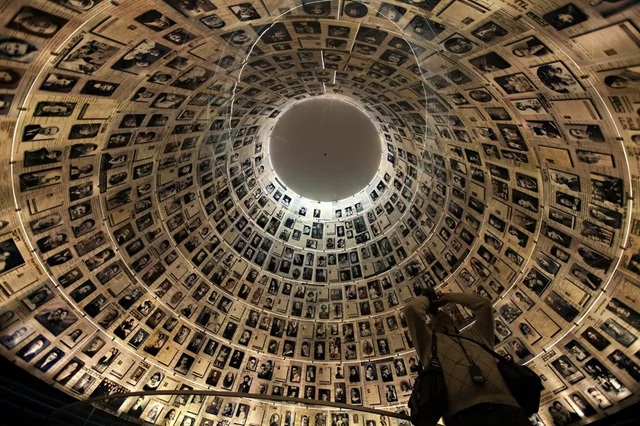
“The Nazis aimed not only to murder them, but to erase their existence,” said Alexander Avram, director of Yad Vashem’s Hall of Names, who oversees the victims’ central database. “By identifying five million names, we are restoring their human identities and ensuring that their memory endures.”
The use of AI, researchers say, is the next chapter in that effort — a digital tool to help bring light to those who have remained in history’s shadows.