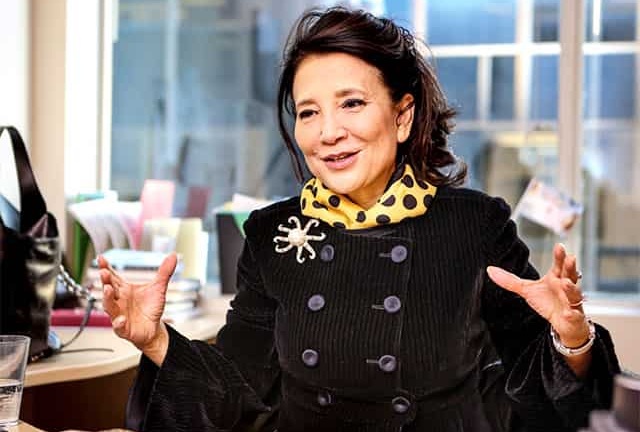
Jung Chang, the celebrated author of Wild Swans, has warned that the growing neglect of reading will “brutalise” society, arguing that books are essential for nurturing empathy and preserving humanity. Speaking to Times UK, Chang said she has seen firsthand what happens when a nation gives up on books, drawing on her experiences as a teenager during China’s Cultural Revolution.
“Mao had a purpose when he called for books to be burnt,” Chang recalled. “He said the more books you read, the more stupid you become — because not reading makes a person more easily brutalised.” Having witnessed millions of books destroyed under Mao’s orders, she believes that when people stop reading, they lose the ability to think independently and see the world beyond their immediate surroundings.
Chang’s remarks come as she joins prominent writers such as Chimamanda Ngozi Adichie and Ian McEwan in supporting The Sunday Times “Get Britain Reading” campaign, an initiative designed to rekindle the nation’s love of books. The campaign urges people to read for pleasure for at least ten minutes a day and supports Bookbanks, which place books in the hands of those who need them most.
Born in Sichuan, Chang grew up in a household where books were treasured. Her father, a senior Communist Party official, filled their home with literature, insisting that his children wash their hands before touching any volume. “Books were almost sacred,” she said. But when Mao’s Great Leap Forward ended in famine and her parents began questioning the regime, their home library became a target. The Red Guards confiscated and burned most of it, and her father was forced to destroy what remained. The loss shattered him and marked the family forever.
Deprived of official access to literature, Chang’s passion for reading only deepened. A secret black market for banned books emerged, and her younger brother began hiding novels in an abandoned water tower and even under their mattresses. “He tore the covers off and replaced them with Selected Works of Mao Zedong,” Chang said. “I was reading Sherlock Holmes under a Mao cover when the Red Guards came to raid our flat.”
At just sixteen, Chang was exiled to a remote village in the Himalayas. Years later, she transformed her family’s story into Wild Swans, a memoir that spans three generations of Chinese women and became an international phenomenon, selling more than 15 million copies. Despite its success, the book has never been adapted for film or television — a decision Chang attributes to Hollywood’s fear of offending Beijing. “At first, film producers were terribly keen,” she said. “But distributors feared Chinese retaliation, so nothing happened.”
Chang, now 73, continues to write and advocate for the power of reading. Her recent memoir, Fly, Wild Swans, published in September, revisits her extraordinary life through new reflections. For her, the lesson remains clear: without books, humanity risks narrowing its vision and hardening its heart. “Reading can make you more human,” she said. “Without books, you can’t get hold of your own soul.”