Senior executives have resigned from a $25 billion US liquefied natural gas venture after its former chief executive alleged that Russian energy group Novatek was secretly financing the project and controlling its strategic direction without the necessary US authorisation, according to a report by the Financial Times (FT).
Polar Train LNG is developing a gas export terminal on Alaska’s North Slope as part of efforts to expand US energy exports to Asia. The project has also featured in high-level discussions between Washington and Moscow over potential commercial arrangements linked to efforts to end Russia’s war in Ukraine, people familiar with the negotiations told the FT.
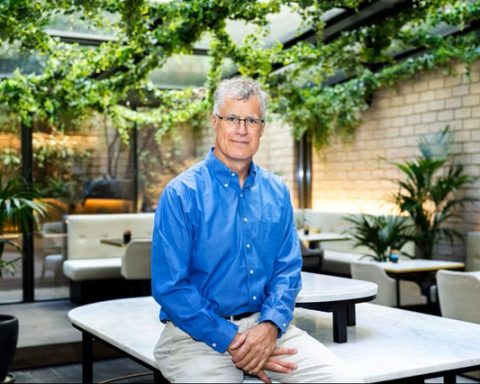
Joel Riddle, an American former ExxonMobil engineer recruited to lead the company, told the newspaper that he discovered Novatek was providing funding and directing the venture before US authorities had approved negotiations with the Russian group. He resigned in September, followed by almost the entire executive leadership team, including chief financial officer Dan Chandra, executive vice-president Jim Smith and executive manager Jody Trantham.
Riddle said he had initially understood that the project was being financed by investor Gentry Beach and Abu Dhabi-based Tech Wave Industrial Projects Management. Beach has links to Donald Trump’s family, while the company is led by Norwegian businessmen Rajeev Lehar and Bjørn Gundersen, who previously worked for Novatek.
As the project developed and financing requirements increased, Riddle said he learned that Beach had not invested in the venture and was not a shareholder, officer or director. He subsequently became aware that Novatek was supplying the capital.
“I resigned as chief executive of Polar LNG because I felt uncomfortable that the Russian company Novatek was financing and ultimately controlling the strategic direction of the company,” Riddle told the FT. He argued that a project of such strategic importance to the United States should use American technology and funding from US investors.
Polar LNG disputed Riddle’s account, describing him as a “disgruntled employee” who had been terminated. The company said development activities were being pursued “in full compliance with applicable US laws”.
Novatek said it had agreed to allow Tech Wave to use its technology in Alaska and signed a memorandum of understanding with Polar Train in April, when Riddle was still chief executive. The company acknowledged that approvals from US and Russian authorities would be required to execute a project of this scale.
Novatek denied allegations that access to its technology was conditional on the lifting of sanctions against its Russian Arctic LNG 2 project, describing the Alaska venture as a standalone commercial opportunity. Tech Wave did not respond to requests for comment, while Beach also declined to comment.
Messages reviewed by the FT show Denis Solovyov, a senior Novatek executive and management board member, discussing project financing and seeking to “expedite the money transfer process” to Polar Train LNG.
Concerns about sanctions compliance intensified as the US Congress advanced legislation proposed by the late senator Lindsey Graham. Riddle sought advice from US law firm Baker Botts about the risks associated with the company’s approach and Gundersen’s proposed role as its ultimate investor.
The law firm concluded that US agencies “appear to view Mr. Gundersen’s proposed participation in the project as presenting potential Russia-related sanctions concerns”. Riddle submitted his resignation to Gundersen on 19 September, a day after the legislation passed Congress.
Novatek developed Arctic LNG 2 on Russia’s Siberian northern coast, a facility expected to produce nearly 20 million tonnes of liquefied natural gas annually. The US Treasury blacklisted the project in 2023 as part of sanctions imposed over Russia’s invasion of Ukraine, and it has struggled to become fully operational.
According to people familiar with the discussions, the proposed US-Russia arrangement would involve Novatek contributing its expertise to the Alaska facility in exchange for sanctions relief for Arctic LNG 2. Novatek denied that access to its technology was tied to lifting those restrictions.
A Treasury Department official told the FT that the department did not comment on specific allegations of sanctions violations but took potential breaches “extremely seriously”. A White House official said the project had been mentioned only briefly to the administration, with no detailed discussions having taken place.
Polar LNG subsequently appointed Tim Talkington, a former chief executive of Goldman Sachs’ Russia operation, as acting chief executive. The company said Tech Wave had provided financing and initiated preliminary engineering work with US contractors, adding that it was seeking American investors and implementation partners.
The future of the venture remains uncertain as Washington weighs its energy and commercial ambitions against sanctions concerns involving a Russian company whose major LNG project remains under US restrictions.