A new report has stirred strong feelings in Bangladesh. On 12 November 2026, BBC Bangla reported that officials in New Delhi have set two conditions for the return of former Prime Minister Sheikh Hasina to Bangladesh. Hasina has lived in India since August 2024, when she fled during the student-led uprising that ended her rule. For many Bangladeshis, the news is more than a diplomatic story. It touches the memory of those who died in July 2024 and the question of who decides her fate.
The background matters. In 2024, students began protesting a job quota system, and the movement grew into a mass uprising against Hasina’s government. A violent crackdown followed, and hundreds of people were killed. Hasina left the country on a Bangladesh Army aircraft and landed in India on 5 August 2024. Later, Bangladesh’s International Crimes Tribunal found her guilty of crimes against humanity over the crackdown and sentenced her to death in her absence. She has denied wrongdoing and has called the case political. Bangladesh has also asked India to send her back to face the sentence, but India has not handed her over.
According to BBC Bangla, which quoted unnamed Indian officials, the first condition concerns how she would be returned. Hasina arrived in India on a Bangladesh Army plane, so India reportedly wants the Bangladesh Army to take her back, either by flying to Delhi or by receiving her at the land border. The second condition concerns her legal rights. India reportedly wants Bangladesh to guarantee that she can appeal her death sentence and that the trial over the July killings will be held again from the start. The report also said India and Bangladesh have held quiet talks for months, and that Hasina has announced she plans to return in December, reportedly with New Delhi’s quiet approval.
It is important to be clear about what is confirmed and what is not. India has not officially confirmed these conditions. When asked about the report, India’s foreign ministry spokesperson, Randhir Jaiswal, declined to comment on its claims. Bangladesh’s government has also pushed back. An adviser to Prime Minister Tarique Rahman said India cannot set conditions for her return, and a minister said India has not formally set any. So the conditions come from unnamed sources, not from an official announcement.
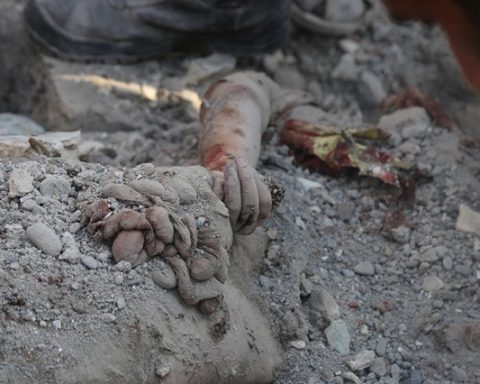
Even so, the report has angered many people in Bangladesh, and the reasons are easy to understand. For families who lost sons and daughters in July 2024, the main concern is justice. They still visit graves and wait for accountability. When they hear that another country may be setting terms for how the process unfolds, it feels like their loss is being used in a political game. Critics say that Hasina’s stay in India should not become a shield against accountability, and that her fate must be decided by Bangladesh’s laws and courts, not by outside conditions.
There is also a sense of unfairness about the long delay. Bangladesh made its request for her return, and critics say India has not given a clear answer for about a year. They argue that this treats a neighbour’s legal process with too little respect. They also point to the close ties between India and Hasina’s government. During her years in power, India gained transit routes, trade agreements and strategic access in Bangladesh, and critics say India is still trying to protect that investment.
India’s side of the story is different, and it deserves a fair hearing. Indian officials have long said that Hasina was a close partner who helped fight militancy and improve border security. Some in Delhi say a fair and transparent trial is a basic standard, and asking for an appeal and a fresh hearing is not unusual for a case with a death sentence. According to one report, Indian officials also worry about her safety during any return. Some legal experts in Bangladesh agree that she could still appeal, by explaining to the Supreme Court why she missed the deadline. In that case, her sentence would likely be put on hold while the appeal is heard.
This is where the two sides meet. The idea of an appeal and a fair trial is not itself controversial, since justice that is open and fair is stronger and harder to dispute. The real dispute is about who has the right to set the terms. Many Bangladeshis feel that these decisions belong to their own courts, their own government and their own people. Accepting conditions from outside, especially ones tied to a person many hold responsible for deaths, feels to them like a loss of control.
There is also uncertainty about what comes next. BBC Bangla reported that her December return may not happen as planned. A source in Delhi suggested that India could then say Hasina was willing to go back, but that the process was held up in Dhaka. Hasina has also reportedly applied for a new passport and identity card, which suggests she is preparing to travel. Whether the plan succeeds will depend on talks between the two governments.
For the victims’ families, the path forward is simple to state. They want justice that is real and visible. That means a process that Bangladesh’s own institutions run, with clear rules and open courts, and one that treats the memory of those killed in 2024 with respect. For India and Bangladesh, the lesson is to handle this matter openly, so that trust between neighbours is not damaged further.