Authorities in Malaysia and Thailand confirmed on Monday that the death toll from a capsized boat carrying members of Myanmar’s persecuted Rohingya minority has risen to 11, with fears mounting for dozens more still missing. The vessel, which sank near the maritime border between Thailand and Malaysia, was believed to have been carrying about 70 passengers when it overturned in rough waters.
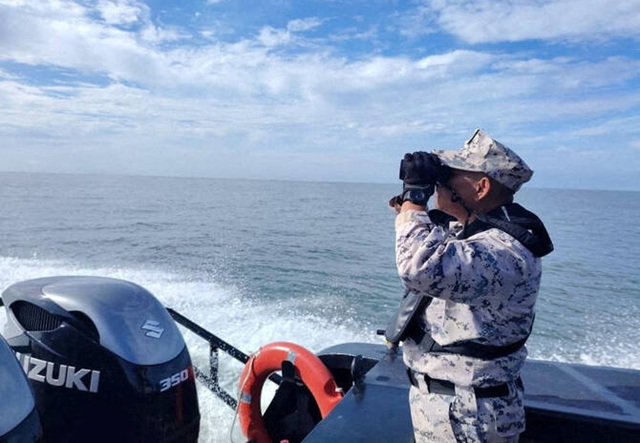
Malaysian officials said 13 survivors have so far been rescued, most of them Rohingya, while the fate of another boat carrying around 230 people remains uncertain. Thai authorities reported the recovery of four bodies, including two children, adding to seven others found by Malaysia’s maritime agency. The search operation, involving both air and sea assets, continues to expand across the busy stretch of water that has become a deadly route for desperate refugees seeking safety.
The Rohingya, a Muslim minority long subjected to violence and discrimination in Myanmar, have been fleeing persecution for years. Following a brutal military crackdown in 2017, more than 1.3 million now live as refugees in Bangladesh, where overcrowded camps and scarce resources have pushed many to risk dangerous sea journeys toward Malaysia and Indonesia. According to the UN Refugee Agency, more than 5,100 Rohingya have attempted to leave Myanmar and Bangladesh by boat so far this year, with nearly 600 reported dead or missing.
At a press conference on Malaysia’s Langkawi island, close to the ongoing search area, Romli Mustafa, the director of Malaysia’s maritime agency in Kedah and Perlis, said coordination between Thai and Malaysian forces had been strong. “We have got very good relations with the Thai agency, so we have good communication and exchanges of information,” he told reporters, adding that the joint operation could continue for up to a week.
Romli said initial reports indicated that the ill-fated boat had left Myanmar near the border with Bangladesh roughly two weeks ago. Some passengers reportedly transferred to another vessel last Thursday, suggesting multiple groups were involved in the same perilous migration route. Of the 13 survivors rescued so far, 11 were identified as Rohingya and two as Bangladeshi nationals.
A Thai maritime enforcement official told Reuters that among the bodies recovered were two women carrying refugee cards identifying them as Rohingya, along with two children aged 10 and 12. The official added that search teams were expanding efforts along coastal areas where debris and personal belongings have been washing ashore.
The latest disaster highlights the continuing desperation of the Rohingya people, who remain stateless and largely forgotten by the international community. As search teams race against time to find more survivors, the tragedy underscores a grim reality: for many Rohingya, even the open sea feels safer than the homeland they were forced to flee.