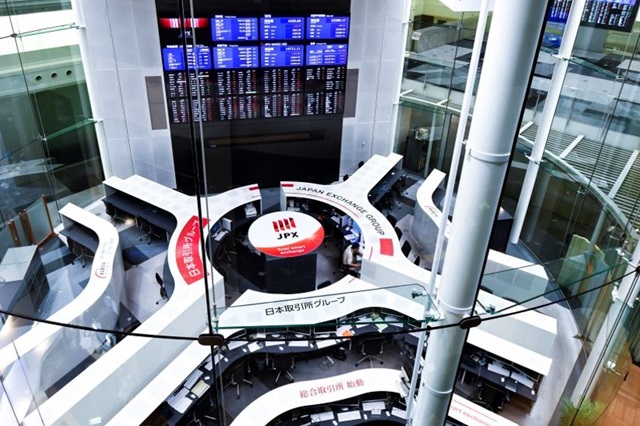
Japan Exchange Group Inc. (JPX) is considering new measures to curb the rapid rise of listed companies hoarding digital assets, as growing investor losses spark concern over the country’s crypto-driven stock frenzy. According to people familiar with the matter, the Tokyo Stock Exchange operator is exploring a stricter interpretation of its backdoor listing rules and may require fresh audits for firms shifting their business models toward cryptocurrency accumulation. The discussions are still preliminary, and no official decision has been made, the sources said.
Since September, at least three publicly listed Japanese firms have reportedly shelved plans to purchase cryptocurrencies following pushback from JPX. These companies were warned that their ability to raise funds could be restricted if they pursued Bitcoin buying as a core business strategy, one of the people said. While the bourse does not yet prohibit listed entities from holding crypto, a JPX spokesperson told Bloomberg in an email that the exchange is “monitoring companies that raise concerns from a risk and governance perspective, with a view to protecting shareholders and investors.”
The move reflects a growing unease over the financial risks tied to the surge in so-called digital-asset treasury companies, or DATs — firms that mimic Michael Saylor’s Strategy Inc. model of converting corporate reserves into Bitcoin. After soaring earlier this year, shares of these companies have since tumbled, leaving retail investors nursing steep losses. Strategy’s stock, for example, has dropped nearly 50% since mid-July despite holding a Bitcoin cache valued at around $66 billion.
Across Asia, exchanges in Hong Kong and other markets have resisted efforts to list new DATs, citing volatility and investor protection concerns. Japan, however, stands out with 14 publicly traded Bitcoin-buying firms — the highest number in the region, according to data from BitcoinTreasuries.net. The country’s relatively permissive stance has made it a hotbed for crypto-themed equities but has also exposed investors to sharp reversals in sentiment.
JPX is now assessing whether its existing ban on backdoor listings — which prevents private firms from going public by merging with already listed entities — should extend to companies that fundamentally shift their operations toward cryptocurrency investment. Sources say the potential crackdown is motivated by fears that Japanese investors have been hit hard by recent plunges in local DAT stocks.
Among the biggest casualties is Metaplanet Inc., Japan’s largest Bitcoin-holding company. Its shares have slumped more than 75% since peaking in mid-June, after skyrocketing about 420% earlier in the year. Metaplanet, which pivoted from hotel management to crypto in early 2024, now holds over 30,000 Bitcoin, ranking it as the fourth-largest public holder globally. Another example is Convano Inc., a nail salon operator turned crypto buyer aiming to acquire 21,000 Bitcoin, whose shares have dropped roughly 60% since late August.
Data compiled by Bloomberg show that both firms have dramatically underperformed the broader Topix Index since summer, underscoring how speculative bets on digital assets have backfired amid market cooling and regulatory scrutiny.
While Metaplanet and Convano did not respond to requests for comment, analysts suggest the latest deliberations by JPX could mark a turning point. If the exchange enacts stricter oversight, Japan’s status as Asia’s most crypto-friendly equity market could shift rapidly — a signal that even in one of the most open economies to digital innovation, investor protection remains paramount.