Fresh details have emerged about the Bondi Beach massacre, revealing that alleged gunman Naveed Akram was previously involved with a street preaching group in Sydney’s west that has longstanding connections to multiple Islamic State devotees. Authorities are now examining how Akram and his father, Sajid Akram, were able to plan and execute what police describe as the country’s worst terror attack, despite years of intelligence scrutiny surrounding extremist networks linked to the pair.
Police confirmed the father and son killed 15 people and wounded dozens more when they opened fire on a crowd of Jewish families at Bondi Beach on Sunday using high-powered firearms. Sajid Akram, 50, was shot dead by police at the scene, while his 24-year-old son remains in hospital after emerging from a coma. Investigators later found two homemade Islamic State flags and improvised explosive devices inside the vehicle used by the attackers.
Counter-terrorism authorities are focusing on a trip taken by the pair to the Philippines in November, just weeks before the massacre. The Southeast Asian nation remains one of the few places where Islamic State-linked groups continue to operate. NSW Police Commissioner Mal Lanyon said investigators are still working to establish the purpose and movements of the father and son during that trip.
Federal authorities have also revealed early findings indicating the attack was inspired by Islamic State ideology. Australian Federal Police Commissioner Krissy Barrett stressed the investigation points to terrorism motivated by allegiance to an extremist organisation rather than any religious belief, underscoring that the actions should not be conflated with Islam.
According to multiple police sources, the attackers are believed to have prepared a manifesto outlining their beliefs before carrying out the shooting, although no physical document was recovered at the crime scene. The pair used four firearms, including shotguns and bolt-action rifles, all of which had been legally purchased by Sajid Akram after he was granted a gun licence in 2023.
The approval of that licence has become a central focus of scrutiny, given that Naveed Akram had been known to counter-terrorism investigators since at least 2019. During that period, intelligence agencies were monitoring a suspected Islamic State cell in Sydney that included individuals later charged and convicted of terrorism offences. Sources say Naveed Akram moved in similar circles to Isaac el Matari, a self-proclaimed Islamic State leader in Australia who was arrested in July 2019 for plotting a terror attack in Sydney’s CBD.
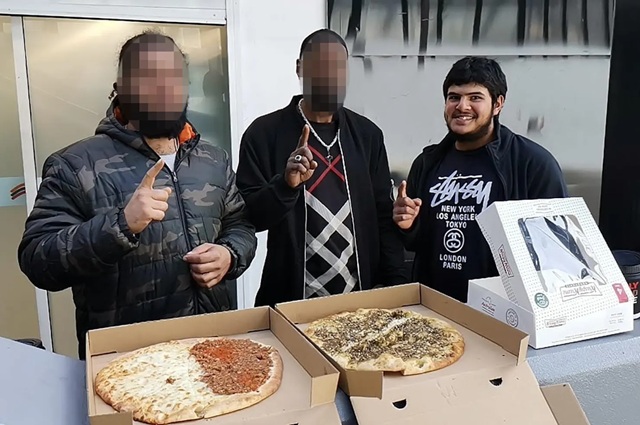
At the same time as those arrests, Naveed Akram appeared in videos and photographs associated with the Street Dawah Movement, a volunteer group that conducts Islamic outreach activities in western Sydney. In videos posted in 2019, Akram is seen encouraging others to join street preaching efforts, urging participants to spread religious messages regardless of conditions. Authorities ultimately concluded at the time that his connections were not strong enough to warrant terrorism charges.
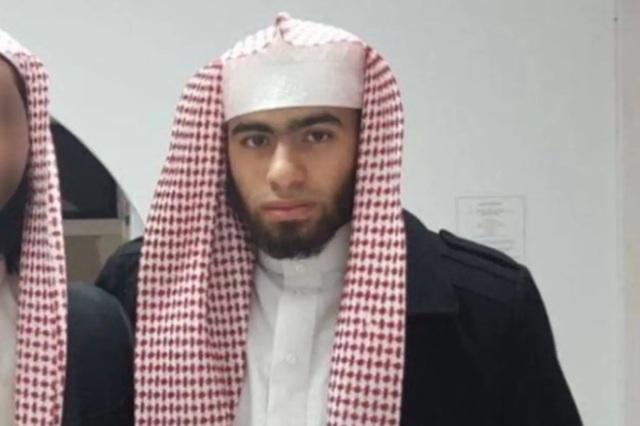
Further investigations have highlighted that several individuals linked to the same outreach networks were later convicted of terrorism offences, including Joseph Saadieh and Youssef Uweinat. Both had been photographed with Street Dawah members before their arrests, with Uweinat later jailed for being a member of Islamic State and attempting to recruit minors.
In response to the revelations, the Street Dawah Movement publicly condemned the Bondi Beach attack and denied that Naveed Akram was ever a member of the organisation. The group described him as a visitor who attended a handful of community outreach sessions in 2019 and said it had no contact with him after that year. It said it was horrified and appalled by the violence.
Attention has also turned to other outreach programs with which Akram was photographed, including initiatives linked to figures previously found by courts to have promoted extremist rhetoric. While some individuals associated with those networks have denied any knowledge of Akram, authorities continue to map connections as part of a broader investigation into radicalisation pathways.
Prime Minister Anthony Albanese confirmed that Naveed Akram first came to the attention of authorities in October 2019 and was investigated for six months. He said the assessment at the time found no indication of an ongoing threat or intent to engage in violence, a conclusion that is now being reassessed in the wake of the attack.
As the investigation continues, questions remain about intelligence gaps, gun licensing decisions and the long shadow cast by extremist networks operating on the fringes of Australian society, as the nation grapples with the aftermath of a devastating act of terror.