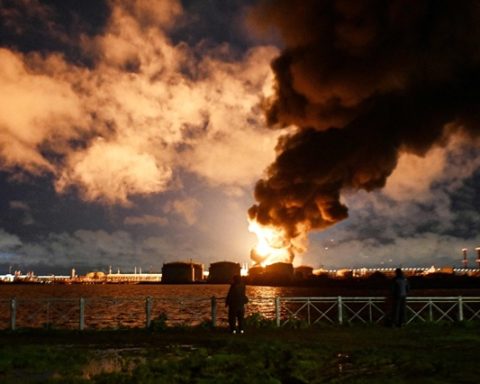
A fresh political controversy has erupted over the operation of the Norochchola Coal Power Plant after Member of Parliament Ajith P. Perera disclosed alarming findings following an inspection tour of the facility. Speaking to a local television channel, the MP said engineers at the plant confirmed that never before in Sri Lanka’s history had such inferior-quality coal been used, placing unprecedented strain on the plant’s machinery.
Perera warned that the continued use of substandard coal poses a severe risk to equipment valued at over one billion US dollars, with potentially devastating consequences for the country’s electricity generation. Norochchola, which supplies approximately 35 percent of Sri Lanka’s total power requirement, is designed to generate between 810 and 900 megawatts, but current output has dropped to around 715 megawatts due to the poor quality of fuel.
According to the MP, the shortfall of nearly 95 megawatts has forced the government to rely on diesel-powered generation at a significantly higher cost, further burdening an already strained energy sector. He explained that the heat capacity of the coal has fallen far below acceptable levels, while ash content, which should average around 16 percent, has risen sharply to between 20 and 22 percent, compounding operational difficulties.
Perera also revealed that coal unloaded from the third shipment contained mechanical defects, severe enough to halt unloading operations altogether. He alleged that the coal supply contract had been awarded to a company with no experience in large-scale coal supply and which had previously been blacklisted for supplying rice, raising serious questions about procurement standards and oversight.
The MP claimed that tender conditions were altered to favor this company, including reducing the tender period from the required 42 days to just 21 days. He accused authorities of attempting to evade responsibility, noting that while the minister in charge has denied personal accountability, all relevant policy decisions were made by the minister’s own team. Perera likened this to “jumping the fence before the thief,” suggesting an effort to distance political leadership from a deeply flawed process.
Emphasizing the gravity of the situation, Perera described the endangerment of the Norochchola Power Plant as a national crime, warning that continued mismanagement could undermine energy security across the country. He called for accountability and urgent corrective action to prevent long-term damage to one of Sri Lanka’s most critical infrastructure assets.