The US Department of War is locked in a growing dispute with artificial intelligence developer Anthropic over restrictions that would limit how the military can deploy advanced AI systems, including for autonomous weapons targeting and domestic surveillance. The disagreement has stalled a contract worth up to $200 million, highlighting a widening rift between Silicon Valley safety concerns and Pentagon demands for operational freedom.
According to people familiar with the matter, the San Francisco-based company has pushed back against military use cases it believes could enable lethal operations without adequate human oversight or facilitate surveillance of Americans. Those objections have frustrated defense officials, who argue that once a system complies with US law, private companies should not impose additional constraints on how the military employs it.
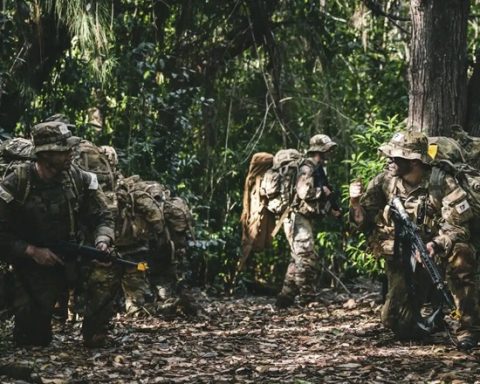
Pentagon officials maintain that commercial AI tools must be fully deployable across combat, intelligence, and support operations if the United States is to maintain a strategic edge. They see Anthropic’s internal usage policies as an unacceptable limitation on national defense capabilities, particularly at a time when rivals are racing to integrate artificial intelligence into their armed forces.
The standoff comes as the Trump administration accelerates its push to embed AI throughout the US military. Earlier this month, the Department of War unveiled a new strategy aimed at transforming the armed forces into an “AI-first” fighting force, reflecting a belief that artificial intelligence will shape the future of warfare as decisively as air power or nuclear weapons once did.
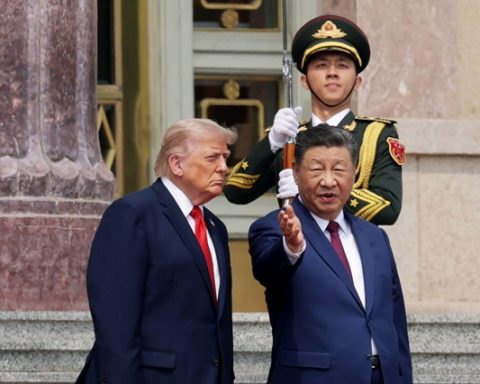
Defense Secretary Pete Hegseth has been blunt about the Pentagon’s position, saying the military will not rely on AI models that restrict its ability to fight wars. Pentagon leaders argue that retaining full control over how AI is used on the battlefield and in intelligence operations is essential, particularly as autonomous and semi-autonomous systems become central to modern combat.
Anthropic has sought to play down the confrontation, saying its technology is already widely used for national security missions by the US government and that it remains in productive discussions with the Department of War. The Pentagon has declined to publicly comment on the reported dispute, even as the stalled contract underscores the practical consequences of the disagreement.
At the heart of the conflict is a broader debate over how far artificial intelligence should be allowed to go in military and security contexts. Anthropic chief executive Dario Amodei has repeatedly warned against unconstrained AI deployment, especially in mass surveillance and fully autonomous weapons systems. He has argued that while AI can support national defense, it should not be used in ways that mirror the practices of authoritarian adversaries.
The impasse carries significant risks for Anthropic, which has invested heavily in building relationships with government and national-security clients and is preparing for a potential public offering. The company was among several major AI developers, alongside OpenAI, Google, and Elon Musk’s xAI, to receive Pentagon contracts last year, underscoring how central private-sector technology firms have become to US defense planning.
More broadly, the dispute illustrates a fundamental tension shaping the future of warfare: whether ethical guardrails set by private companies can coexist with a military determined to exploit artificial intelligence to its fullest extent. As Washington pushes ahead with its AI-first vision, the outcome of this clash could set a precedent for how much control Silicon Valley retains over the most powerful tools it creates.