India’s External Affairs Minister S. Jaishankar revealed in Parliament that Iran had requested permission for three of its ships to dock at Indian ports shortly before a U.S. strike torpedoed the Iranian naval vessel IRIS DENA near Sri Lanka. The disclosure came during a statement in the Lok Sabha on Monday as lawmakers debated the rapidly escalating conflict across West Asia following the killing of Iran’s supreme leader.
The crisis was triggered by a coordinated U.S.–Israel attack on Tehran on February 28 that killed Ali Khamenei, an event that has sent geopolitical shockwaves across the region. Addressing Parliament, Jaishankar said the Indian government attempted to establish contact with Iranian leadership after the strike but was unable to do so due to the ongoing conflict. However, he confirmed that he had spoken with Iran’s Foreign Minister Abbas Araghchi twice—on February 28 and again on March 5—and indicated that further high-level diplomatic conversations would continue in the coming days.
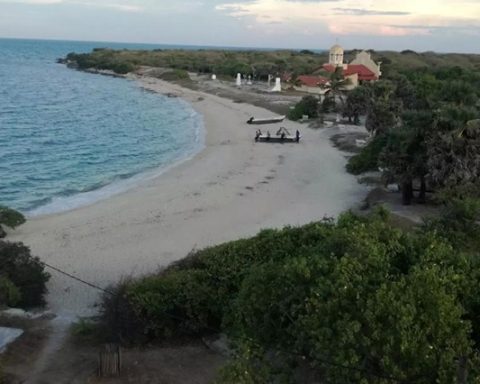
Jaishankar told lawmakers that Iran had approached India earlier requesting permission for three of its ships operating in the region to dock at Indian ports, a request made before the U.S. torpedoed the IRIS DENA off Sri Lanka. The minister did not disclose whether India had approved the docking request but emphasized that the government was closely monitoring developments and engaging with global partners.

The minister stressed that protecting Indian citizens abroad remains the government’s “overriding priority,” noting that tens of thousands of nationals had already returned from the conflict-affected region. According to government estimates, about 67,000 Indians have returned home as tensions and violence intensified across West Asia. Jaishankar also highlighted that India had been in diplomatic contact with the United States regarding the evolving security and economic implications of the conflict.
The statement sparked sharp political reactions inside the Lok Sabha. Opposition parties staged a walkout during Jaishankar’s address and demanded a comprehensive discussion on the crisis, particularly its implications for energy supplies and trade flows from the Gulf region. The Congress party criticized the government’s response, arguing that the minister’s statement failed to condemn what it called the targeted killing of the head of state of a sovereign nation and did not outline concrete steps to address the serious geopolitical and economic consequences India could face.
Parliamentary proceedings were repeatedly disrupted throughout the day as opposition lawmakers insisted on a full debate on the West Asia situation. The turmoil also prevented the House from taking up a resolution seeking the removal of Speaker Om Birla. While the opposition pressed for a broader discussion on the regional crisis, government sources indicated that the administration was more inclined to proceed first with debate on the motion concerning the Speaker.
Officials signaled that the government is unlikely to accept the opposition’s demand for an additional debate on the crisis, maintaining that the foreign minister’s detailed statement delivered in both houses of Parliament already addressed the issue. Nevertheless, the revelations about Iran’s docking request and the wider conflict continue to reverberate through India’s political landscape as the situation in West Asia grows increasingly volatile.