India’s Prime Minister Narendra Modi said the country has enough energy supplies to meet domestic demand despite the escalating conflict in Iran, warning that the Middle East war poses unprecedented challenges for the world’s fastest-growing large economy. Speaking in the lower house of parliament on Monday, Modi emphasized that his government is working to minimize disruption to ordinary households while global energy markets remain volatile.
“Our government’s effort has been to ensure that the supply of petrol, diesel, and gas is not excessively disrupted, and that ordinary families in the country face as little trouble as possible,” Modi said, signaling a proactive approach to managing the fallout from the crisis. The conflict, now in its third week, has disrupted crude oil and liquefied natural gas (LNG) flows worldwide, pushing prices higher and straining industries across Asia.
India, a major importer of LNG and petroleum fuels from the Middle East, has already felt the impact. Sectors ranging from ceramic factories and restaurants to fertilizer manufacturers and oil refiners have reported disruptions due to rising energy costs and constrained supply chains. Analysts note that prolonged instability in the Strait of Hormuz, a critical passage connecting Persian Gulf energy producers with global markets, could exacerbate the problem.
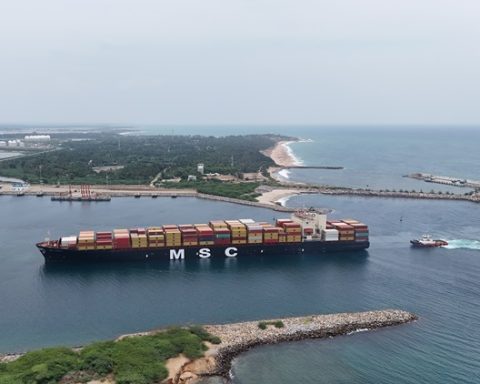
To bolster resilience, Modi highlighted India’s strategic oil reserves, currently holding 5.3 million metric tons, with plans to expand to 6.5 million tons. He also pointed to the government’s efforts to ensure the safe passage of Indian vessels stranded in the Gulf. Two Indian-flagged ships carrying liquefied petroleum gas successfully navigated the Strait of Hormuz earlier this month, while two more are currently in transit, Bloomberg reported Monday.
“Attacks on commercial shipping and any closure of the Strait of Hormuz are unacceptable,” Modi said, stressing the importance of securing energy imports. India relies on the region for approximately 60% of its LPG needs, a fuel widely used for cooking, but is simultaneously increasing domestic production to reduce vulnerability to international supply shocks.
Authorities are closely monitoring Gulf shipping routes, working to safeguard maritime trade, and ensuring that India’s economic strength can absorb some of the shock. Modi also assured citizens that food stocks remain sufficient and pledged continued government support for farmers affected by rising energy and commodity prices.
The prime minister’s remarks come as energy markets worldwide react to military strikes in the Middle East, which have effectively curtailed flows through the Strait of Hormuz since the end of February. Investors and policymakers are closely watching developments in the region, given its strategic importance for global oil and gas supplies.
While the crisis poses risks to industrial production and consumer costs, Modi’s address underscored India’s preparedness and strategic planning to navigate the challenges. By strengthening reserves, ensuring safe maritime operations, and boosting domestic energy production, the government seeks to shield both households and the broader economy from immediate shocks, while signaling its ability to adapt to global turbulence.
Bloomberg analysts note that India’s proactive measures, coupled with economic resilience, may help mitigate some of the consequences of supply disruptions, but the situation remains fluid as regional tensions continue to escalate.