The World Health Organization has declared a “public health emergency of international concern” following a rapidly escalating Ebola outbreak affecting the Democratic Republic of Congo and Uganda. The decision was made after consultations with affected states and comes amid growing concern over the potential for regional spread of the virus, which has already caused confirmed infections and suspected fatalities across multiple locations in Central Africa.
Health authorities reported at least eight laboratory-confirmed cases as of Friday, alongside 246 suspected infections and approximately 80 presumed deaths in the Ituri province of the Democratic Republic of Congo. In Uganda, separate laboratory confirmations identified additional cases, including at least one death, in Kampala within a 24-hour period, raising alarm over apparently unlinked clusters of infection appearing simultaneously across borders.
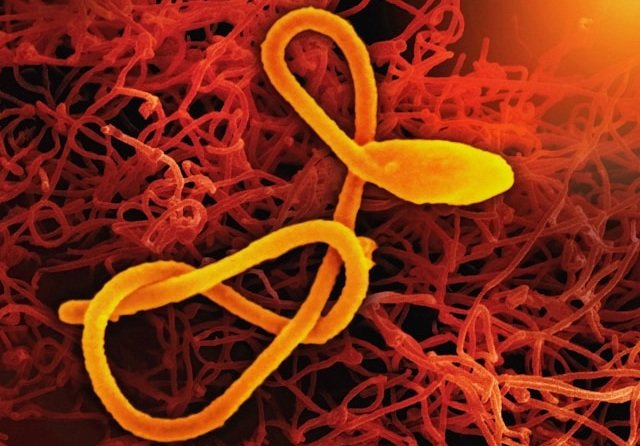
The outbreak has been identified as being caused by the Bundibugyo strain of the Ebola virus, one of several known variants of the disease, which is characterised by severe haemorrhagic symptoms and high fatality rates. The WHO noted that while the situation has been declared an international emergency, it does not yet meet the technical criteria for a global pandemic under the International Health Regulations framework.
The declaration reflects growing concern over the possibility of international transmission, particularly given evidence that at least two confirmed cases in Uganda involved individuals who had recently travelled from the Democratic Republic of Congo. Health officials warn that intense population movement across porous borders significantly increases the risk of wider spread if containment measures fail.
Regional health bodies, including the Africa Centres for Disease Control and Prevention, have expressed serious concern over the trajectory of the outbreak. The agency has called for urgent high-level coordination involving international partners, including the WHO and disease control authorities from the United States, Europe and China, citing the need for rapid information sharing and unified containment strategies.
In its emergency declaration, the WHO stressed that coordinated international action is essential to understand the full scale of the outbreak, strengthen surveillance systems and ensure effective response measures are implemented across affected regions. The organisation also urged countries in the region to activate national emergency management systems, establish dedicated crisis coordination centres and intensify contact tracing and case detection efforts.
Public engagement has been identified as a critical component of the response strategy. The WHO recommended that local leaders, including religious and traditional authorities as well as community health practitioners, be actively involved in efforts to identify cases, trace contacts and disseminate accurate public health information. Officials say community trust will be essential in slowing transmission in rural and densely populated areas.
Ebola is a highly infectious viral disease transmitted through direct contact with bodily fluids and is known for causing severe fever, weakness and internal bleeding. According to the WHO, historical outbreaks have recorded fatality rates ranging between 60 percent and 80 percent, making rapid containment a top global health priority whenever new clusters emerge.
The Democratic Republic of Congo has experienced repeated Ebola outbreaks over the past several decades, with the most recent occurring in late 2025 in the Kasai region. That outbreak marked the sixteenth recorded occurrence of the disease in the country since Ebola was first identified in 1976, underscoring the persistent vulnerability of the region to recurring epidemics.
As health authorities race to contain the latest spread, the combination of confirmed cross-border cases, high fatality risk and limited healthcare infrastructure in affected areas has raised fears that the situation could escalate further if immediate control measures are not effective. For now, the WHO’s emergency declaration signals the beginning of an intensified global response to prevent a localized outbreak from developing into a far broader regional crisis.