The World Meteorological Organization has warned that the world is likely to experience new record-breaking global temperatures within the next five years, with a high probability that the current benchmark set in 2024 will be surpassed before 2030. According to a new report presented in Geneva, there is an estimated 86 percent chance that the average global temperature record, measured at 1.55 degrees above pre-industrial levels in 2024, will be exceeded between 2026 and 2030.
The report highlights a growing likelihood that the planet will either break temperature records or remain very close to them each year over the coming half-decade. Researchers warn that this trajectory reflects the continued accumulation of greenhouse gases in the atmosphere, combined with natural climate variability that can temporarily intensify warming trends.
A key factor identified in the outlook is the potential emergence of the climate pattern known as El Niño, which is forecast for late 2026. This phenomenon, driven by warming sea surface temperatures in the Pacific Ocean, is known to influence global weather patterns and can temporarily push global temperatures higher. Scientists note that the following year after an El Niño event often becomes a record-breaking year for global heat.
Leon Hermanson of the UK Met Office, one of the report’s lead authors, emphasized that such conditions could significantly increase the likelihood of a new global temperature peak in 2027. He explained that the combination of long-term warming trends and short-term climate fluctuations creates conditions where new extremes become increasingly probable.
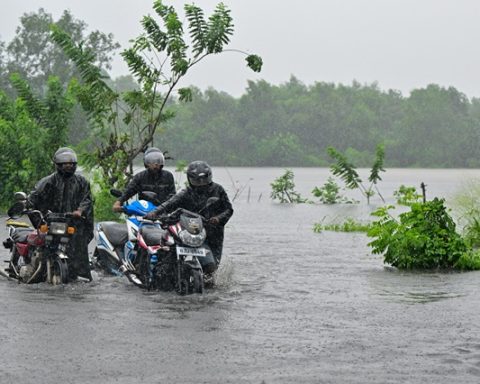
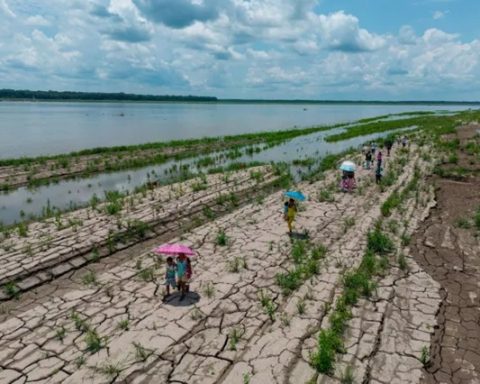
The report also outlines expected regional impacts of the El Niño cycle, including heavier rainfall in parts of South America and eastern Africa, alongside increased risk of drought in regions such as Australia and parts of Southeast Asia. While the direct effects on Europe are typically more limited, scientists stress that the global climate system is increasingly interconnected, meaning regional changes can still have widespread consequences.