Sri Lanka’s justice system is facing a severe staffing shortfall, with the Ministry of Justice confirming that 2,647 vacancies remain unfilled across the judiciary, a situation officials say has persisted due to a halt in recruitment since 2018. The disclosure has sparked renewed concern over the operational capacity of courts and the broader legal system, which is already under pressure from growing caseloads and structural inefficiencies.
According to ministry officials, the prolonged suspension of recruitment has created a significant gap in judicial human resources, affecting the speed and efficiency with which cases are processed. The shortage is understood to span multiple levels of the judiciary and related legal services, contributing to delays that have increasingly drawn public criticism. Legal experts warn that such a large number of vacancies, left unaddressed for several years, risks undermining public confidence in the justice system and exacerbating existing backlogs in both civil and criminal proceedings.
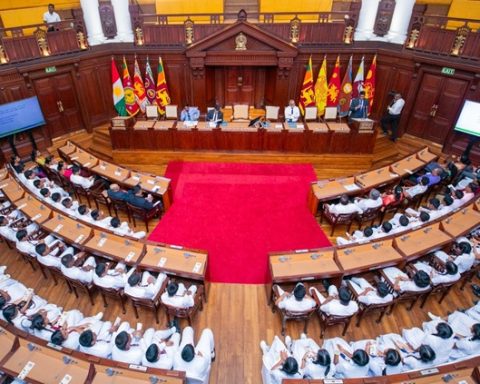
The issue was formally raised in Parliament during a recent meeting of the Ministry of Justice and National Integration’s Consultative Committee, chaired by Justice Minister Harshana Nanayakkara. During the session, MPs highlighted concerns not only about judicial staffing but also about broader challenges affecting prisons and other legal institutions. The committee reviewed the scale of the problem and directed officials to identify practical solutions to address the systemic gaps that have developed over time.
Minister Nanayakkara has instructed officials to expedite recruitment processes in an effort to fill the long-standing vacancies and restore capacity within the judiciary. His directive reflects growing political acknowledgment that the staffing crisis requires urgent intervention, particularly as delays in court proceedings continue to accumulate. Officials have indicated that recruitment mechanisms are expected to be reviewed and streamlined to prevent further stagnation and ensure that new appointments can be made more efficiently.
The Ministry of Justice has attributed the crisis primarily to the absence of recruitment since 2018, a period during which natural attrition, retirements, and expanding case volumes have steadily widened the gap between available judicial officers and institutional demand. Over time, this imbalance has placed additional pressure on sitting judges and court staff, many of whom are reportedly managing significantly heavier workloads than intended under standard operational conditions.
Beyond the judiciary itself, the Consultative Committee also examined related challenges within the prison system and other segments of the legal infrastructure. Lawmakers emphasized that the strain on courts is closely linked to broader systemic issues, including delays in case processing that contribute to overcrowding in detention facilities and inefficiencies in case management. The committee’s discussions underscored the interconnected nature of the justice sector, where staffing shortages in one area can rapidly cascade into wider institutional strain.
The government’s push to address the vacancies comes amid broader efforts to strengthen public sector efficiency and rebuild trust in state institutions. Legal analysts note that filling the 2,647 vacant positions will require not only administrative acceleration but also sustained investment in training, recruitment pipelines, and institutional modernization to prevent similar gaps from emerging in the future.