The intensifying conflict in Lebanon is rapidly evolving into a central fault line in Middle Eastern geopolitics, with far-reaching consequences for regional stability and global energy security. According to an editorial published by the Spanish newspaper El País, the large-scale military offensive launched by Israeli Prime Minister Benjamin Netanyahu is not only escalating violence on the ground but also undermining delicate diplomatic efforts involving Iran and Gulf shipping routes.
The editorial argues that Israel’s expanding military operations in Lebanon are part of a broader pattern of regional escalation that also includes Gaza, the West Bank, and incursions into southern Syria. These actions are described as sustained military campaigns rather than limited operations, aimed at reshaping territorial control through widespread destruction of infrastructure and population displacement. The analysis suggests that the scale and intensity of the fighting reflect a deliberate strategy of pressure across multiple fronts surrounding Israel.
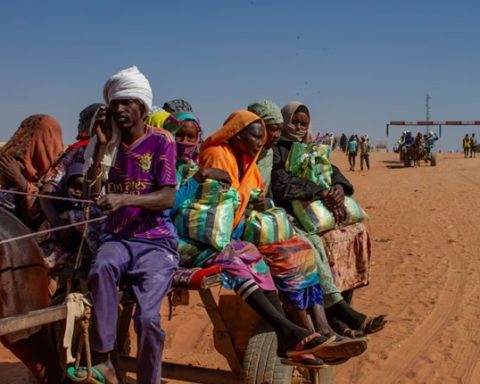
A key development highlighted in the editorial is the symbolic seizure of the Beaufort fortress in southern Lebanon, a site with historical and strategic significance in previous Israel-Lebanon conflicts. The ongoing offensive is described as one of the most severe since the 1982 war, with reported casualties reaching approximately 3,300 people and more than one million displaced, representing a significant portion of Lebanon’s population. The humanitarian impact is portrayed as severe, with large sections of civilian infrastructure affected and entire communities forced to flee.
At the same time, diplomatic negotiations continue in parallel, including talks involving Israeli and Lebanese representatives in Washington. However, these efforts are overshadowed by continued military escalation and warnings of further strikes on Beirut’s southern districts. The editorial notes that tensions remain extremely high, with civilian populations in the Lebanese capital bracing for additional violence amid ongoing threats of bombardment.
International reactions, particularly from Washington, are described as increasingly uneasy. While not openly confrontational, signals of frustration with Netanyahu’s strategy are reportedly emerging within the United States, including speculation about pressure from President Donald Trump to limit further escalation. Despite this, the Israeli government is portrayed as continuing its military campaign without significant restraint, even at considerable cost to its own population, including daily drone attacks from Hezbollah and ongoing cross-border fire.
The conflict in Lebanon is also presented as deeply interconnected with broader regional dynamics, particularly negotiations involving Iran and the strategic Strait of Hormuz. According to the editorial, developments in Lebanon directly influence diplomatic prospects with Tehran, and vice versa, making the two crises inseparable components of a wider geopolitical struggle. Iran is described as linking progress in one arena to the other, using the interconnected conflicts as leverage in negotiations.
The analysis further emphasizes the role of Hezbollah as both a military and political force within Lebanon, complicating the country’s internal stability and making it a central battleground in the broader regional confrontation. Lebanon is depicted as a fragmented state in which armed non-state actors operate alongside formal institutions, creating a complex environment that external powers seek to exploit for strategic advantage.
Within this context, the editorial concludes that the continuation of violence in Lebanon effectively blocks meaningful diplomatic progress elsewhere, particularly regarding Iran and the Strait of Hormuz. It argues that a ceasefire in Lebanon is a necessary condition for broader regional stabilization, but that such an outcome depends on the willingness of Netanyahu to de-escalate and the capacity of the United States to exert influence. Without these conditions, any apparent diplomatic progress is likely to remain fragile and temporary.