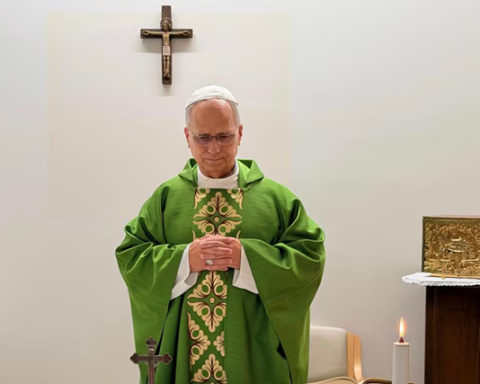
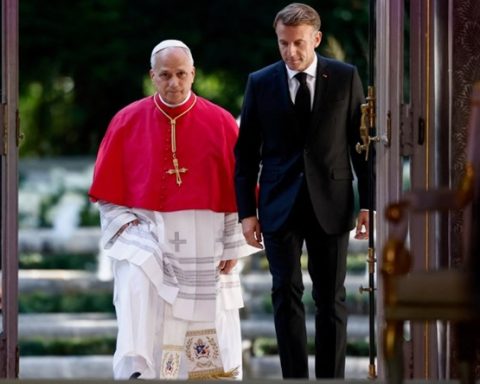
The Pope, identified in the source as León XIV, arrived on Thursday in the Canary Islands, Spain, marking the final stage of his trip before returning to Rome on Friday. Upon landing in Las Palmas, he travelled directly to the port of Arguineguín, a location that has become emblematic of migration pressures in the islands.
The port was described as a symbolic site of the migration crisis, after in 2020 it became widely known as the “muelle de la vergüenza” amid the conditions faced by thousands of migrants following a surge in arrivals by cayucos. The text states that the location has since been associated with political mismanagement, institutional discoordination, and segments of public rejection. It also links the site to broader political debates in Spain and Europe, including the idea of “national priority” associated with Vox and supported by the Popular Party, as well as increasingly restrictive migration policies within the European Union. The source notes that a new European asylum pact is set to come into force on Friday, tightening access to asylum.
At the port, the Pope delivered a message framed around human dignity and migration fatalities. He stated: “No podemos acostumbrarnos a contar muertos. La dignidad humana no tiene pasaporte ni pierde valor al cruzar la frontera.” He also addressed migrants directly, saying: “Queridos migrantes: (…) quiero inclinarme ante su dignidad,” and describing them as people with families and homes left behind, carrying dreams that should not be dismissed.
He further said: “Cada barca que llega no trae solo migrantes; trae consigo una pregunta: ¿qué mundo hemos construido, si tantos hermanos tienen que arriesgar la muerte para buscar vida?” According to the report, the Pope is the first pontiff to visit the Canary Islands. At the end of the event, he placed a floral wreath into the sea in remembrance of those who died attempting the crossing and prayed before a blue cross made from planks of migrant boats, which he also blessed.
In his remarks, he rejected the reduction of migrants to statistics, stating that they are “no son números ni expedientes,” and added that each arriving life raises questions about collective humanity. He also called for empathy, saying that individuals encountered in migration flows could be one’s own family members, and argued that conscience leaves no room for excuses in such circumstances.
The source reports that Spanish Prime Minister Pedro Sánchez attended the event, despite initial indications that he would not be present. The Pope addressed political authorities, urging the creation of legal and safe migration pathways, coordinated rescue and assistance operations, cooperation against trafficking networks, effective protection for victims, structured reception and integration processes, and policies enabling people to live with dignity in their countries of origin.
The speech also included a broader critique of indifference and hypocrisy in global migration responses. He warned that Europe “no puede proclamar la dignidad humana y acostumbrarse a que el Mediterráneo y el Atlántico sean cementerios sin lápidas.” The remarks were also interpreted in the context of migration policy debates affecting European governments, including Italy, although no direct statements from those governments were included in the source.
The Pope emphasized moral responsibility within Christian doctrine, stating that authentic faith requires the welcoming of foreigners. He also highlighted the symbolic meaning of the “Anillo del Pescador,” describing it as representing the Christian vocation of “fishing men,” and said this image has a “literal and painful” resonance in the Canary Islands context.
Prior to the Pope’s intervention, the event included testimonies from individuals connected to migration and rescue operations. A Salvamento Marítimo captain, identified as Tito Villarmea, described rescuing more than 20,000 people and recounted witnessing a case involving a child later revealed to be a girl, highlighting the emotional impact of rescue work.
A volunteer from Cáritas, María Reyes Alemán Cruz, recalled the strain experienced during the 2020 migration surge, describing a sense of overwhelm and learning to focus on presence and support rather than solving the entire crisis. Another testimony, read on behalf of a Nigerian woman who survived exploitation and trafficking, detailed her journey, coercion by criminal networks, forced debt, and eventual rescue through a police operation and subsequent support from the Church. A Colombian entrepreneur, María Fernanda López Meza, also shared her trajectory from homelessness in Las Palmas in 1997 to founding her own company employing six people.