Editorial
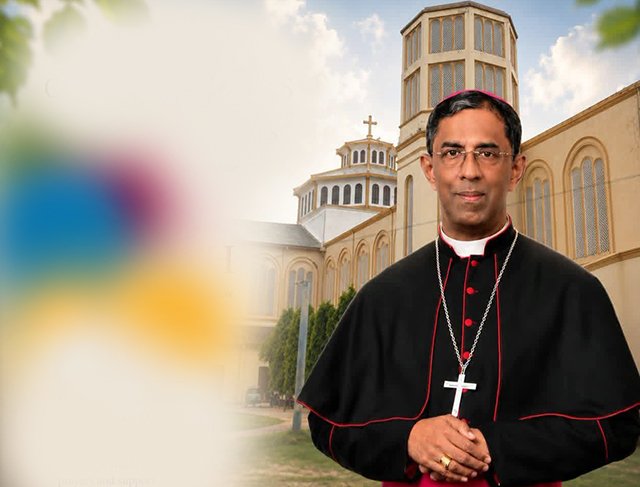
The Catholic Church in Sri Lanka stands before a historic moment. The appointment of Rev. Dr. Anton Ranjith Pillainayagam as the Bishop of Jaffna is not simply another episcopal appointment announced from Rome. It is a signal that the Church may finally be entering a period of reflection, renewal, and possible transformation after years of controversy surrounding the role of religious leadership in national affairs.
For decades, the Church in Sri Lanka was respected primarily because of its moral voice, educational mission, and service to society. Catholic schools, hospitals, social institutions, and pastoral communities built a reputation based on discipline, compassion, and quiet service. The Church’s strength was never derived from political influence; it came from trust.
That delicate balance, however, has been challenged in recent years.
The arrival of Cardinal Malcolm Ranjith as the leader of the Colombo Archdiocese created a new era of public engagement. Especially following the devastating Easter Sunday attacks of 2019, the Cardinal became one of the strongest voices demanding justice and accountability. Many Sri Lankans, including non-Catholics, respected his determination to seek answers for victims and families.
Yet a growing number of observers have questioned whether the Church’s public mission became too closely connected with political confrontation. The debate is not about whether religious leaders should speak on matters of justice — they absolutely should. The question is whether a Church leader can remain a moral authority when the institution becomes deeply involved in political battles, government criticism, investigations, and national power struggles.
A prophet must challenge power, but a prophet must also avoid becoming a participant in the very political systems they criticise.
The history of religion repeatedly teaches this lesson. Spiritual institutions lose their credibility when their authority becomes mixed with worldly ambitions. The words of Christ remain timeless: “My kingdom is not of this world” (John 18:36). This does not mean religious leaders should remain silent about injustice. It means their ultimate mission must always remain higher than political victory.
The controversy surrounding the public role of Cardinal Malcolm Ranjith has therefore created an urgent conversation within Catholic circles: should the next phase of Church leadership focus less on political confrontation and more on spiritual rebuilding, reconciliation, education, and internal renewal?
This is where Bishop Anton Ranjith Pillainayagam’s appointment becomes particularly significant.
His career reflects a different style of leadership. He is known primarily through his work in education, priestly formation, theology, and pastoral service. His background represents the intellectual and spiritual tradition that has historically strengthened Catholic institutions in Sri Lanka.
At a time when many Catholics are seeking a Church that heals rather than divides, a Church that listens rather than dominates public debates, Bishop Pillainayagam represents the possibility of a new direction.
The Diocese of Jaffna itself carries enormous historical importance. It is a community shaped by faith, suffering, conflict, resilience, and hope. The new bishop’s responsibility is not only to administer a diocese but to accompany a people who have experienced decades of hardship. His challenge will be to strengthen reconciliation, empower young people, protect the dignity of communities, and ensure that the Church remains a place of compassion.
But the significance of this appointment cannot be limited to Jaffna.
The future leadership of the Colombo Archdiocese will eventually become one of the most important decisions facing the Catholic Church in Sri Lanka. With Cardinal Malcolm Ranjith nearing the age when cardinals normally cease participation in a papal conclave, the Vatican will inevitably face questions about transition, succession, and institutional renewal.
Leadership transitions are not acts of disrespect toward previous generations. They are necessary moments in the life of every institution. Great leaders understand that their greatest achievement is not holding power indefinitely but preparing the way for those who follow.
The Church needs leaders who can defend truth without being consumed by political conflict. It needs voices that can challenge injustice without allowing the Church itself to become identified with political movements. It needs shepherds who inspire faith rather than controversy.
The appointment of Anton Ranjith Pillainayagam may therefore become one of the most important developments in Sri Lankan Catholic history in recent years.
Jaffna has received a bishop. But the entire Catholic Church in Sri Lanka may have received something far more important: a reminder that the future of religious leadership lies not in political influence, but in moral authority.
The Church does not need more power. It needs renewed credibility. And credibility is built not through confrontation, but through humility, service, and the quiet strength of authentic spiritual leadership.